

Yaowarat Community Guide: Bangkok’s Chinatown Heritage & Food
Explore one of the world’s largest Chinatowns with our guide to the Yaowarat Community. From the golden Buddha at Wat Trai Mit to the wholesale treasures of Sampheng Market and legendary street food, discover how to navigate this vibrant district by MRT or boat.
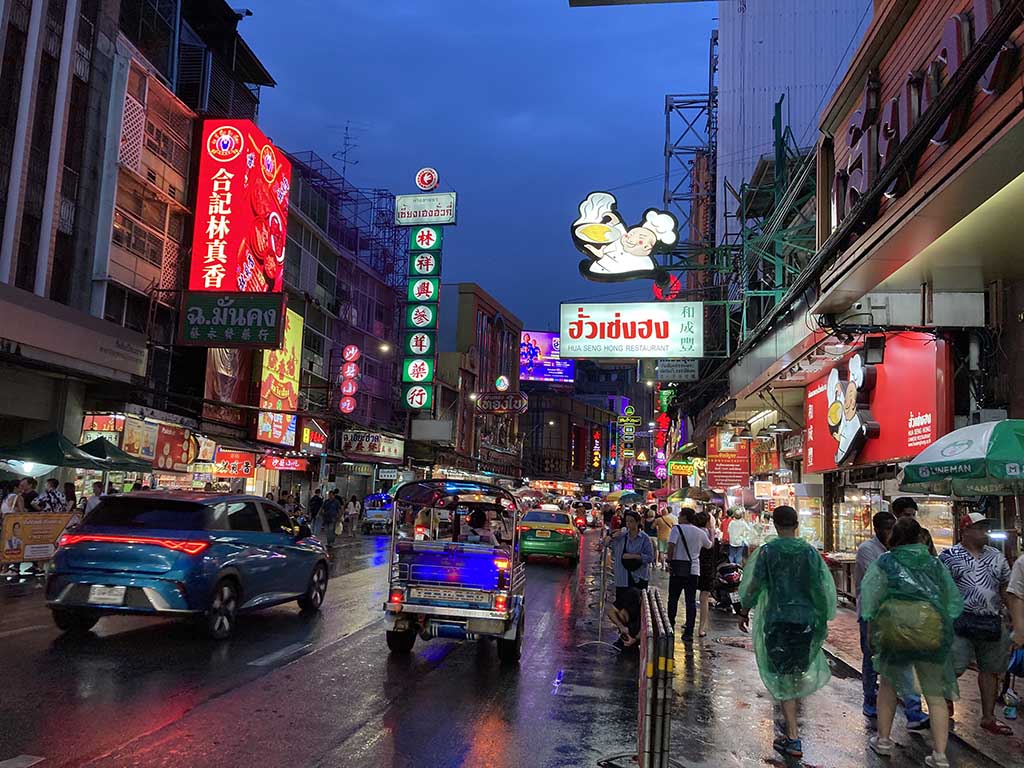
Yaowarat Street Food Area
Not only Chinese temples, shrines and shopping places, Yaowarat is also well known as the origin of ‘authentic’ Chinese food in Thailand. You can find many Chinese dishes, milk tea shops and snacks all round the area which are open both day and night. In this article, we will recommend
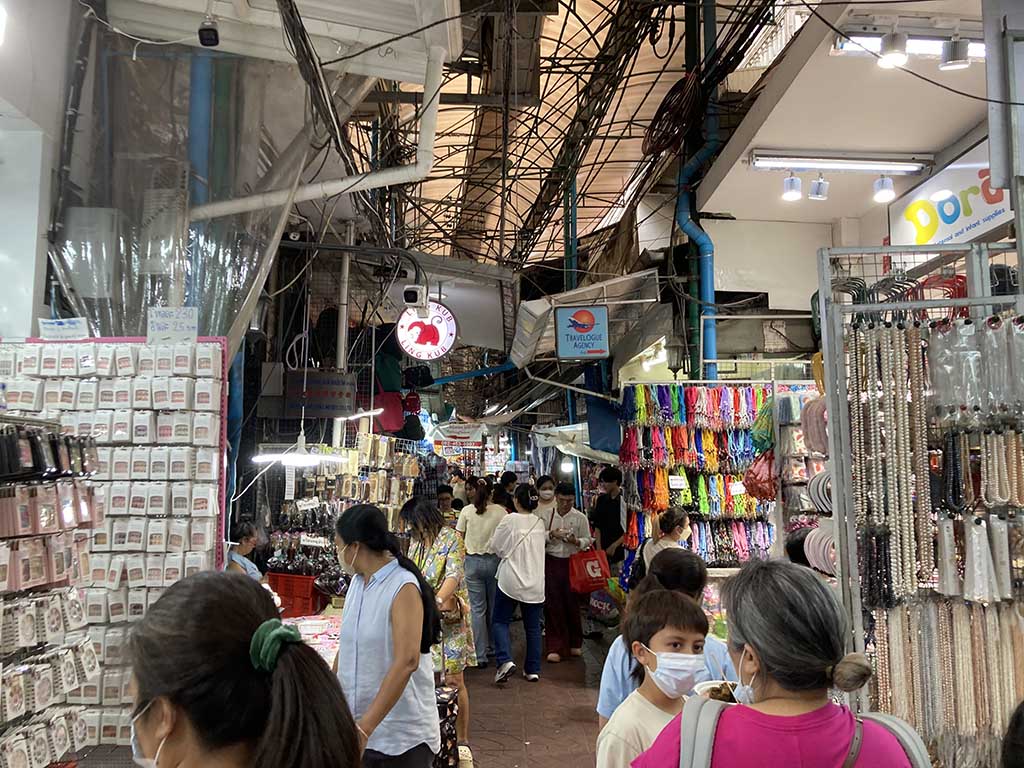
Sampheng Shopping Alley: A Busy Street of Cheap Small Little Things You Might Need
When I hear about Sampheng, the first thing that pops up in my mind is “gift shop”. It is a famous commercial street, known for its wholesale trade for small items you may find in a shop near your hotel or in any market around Bangkok. In the old time,

Discover History of Bangkok’s Chinatown at Wat Trai Mit Chinatown Heritage Center
Temples in Thailand are not only used to serve religious purposes, but also to preserve knowledge and provide education to the community. Long before the modern education system was discovered, the temple was where people came and studied. You can easily notice this kind of culture from many temples across
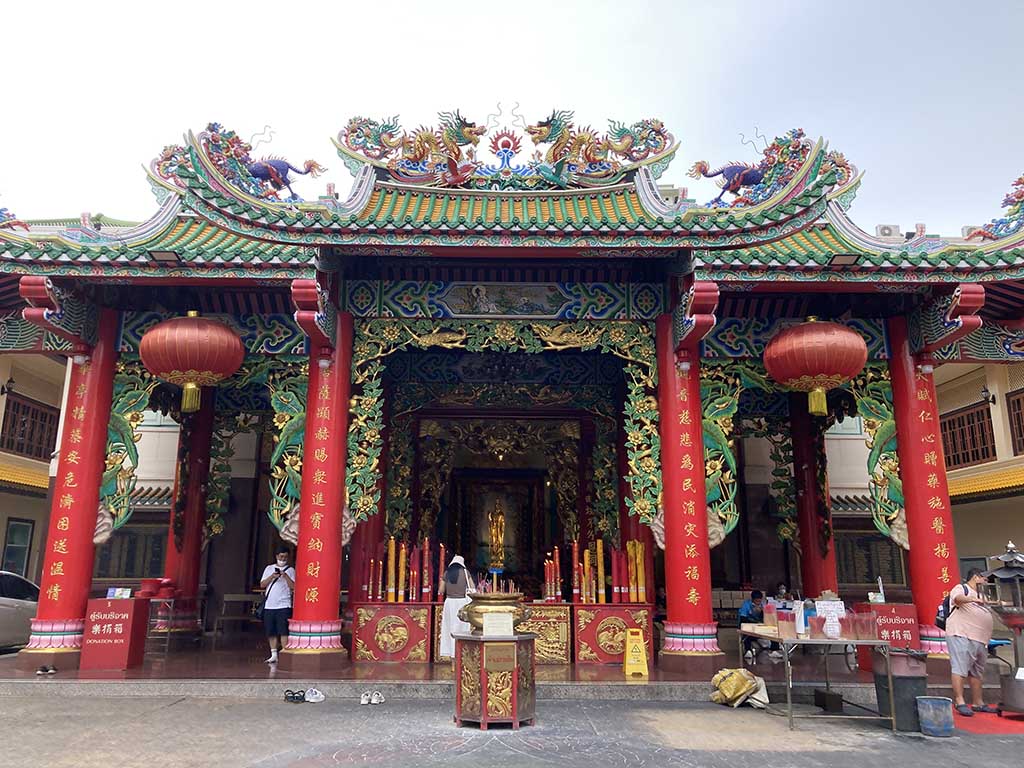
Get Blessed for Your Good Health at Guanyin Shrine
One activity many local people do when they visit Yaowarat Bangkok Chinatown is to pray. There are many temples and shrines, representing the belief of local Buddhism and Chinese deities together in the community. Guanyin Shrine at Yaowarat is one of the most widely known and worshipped by many Thai
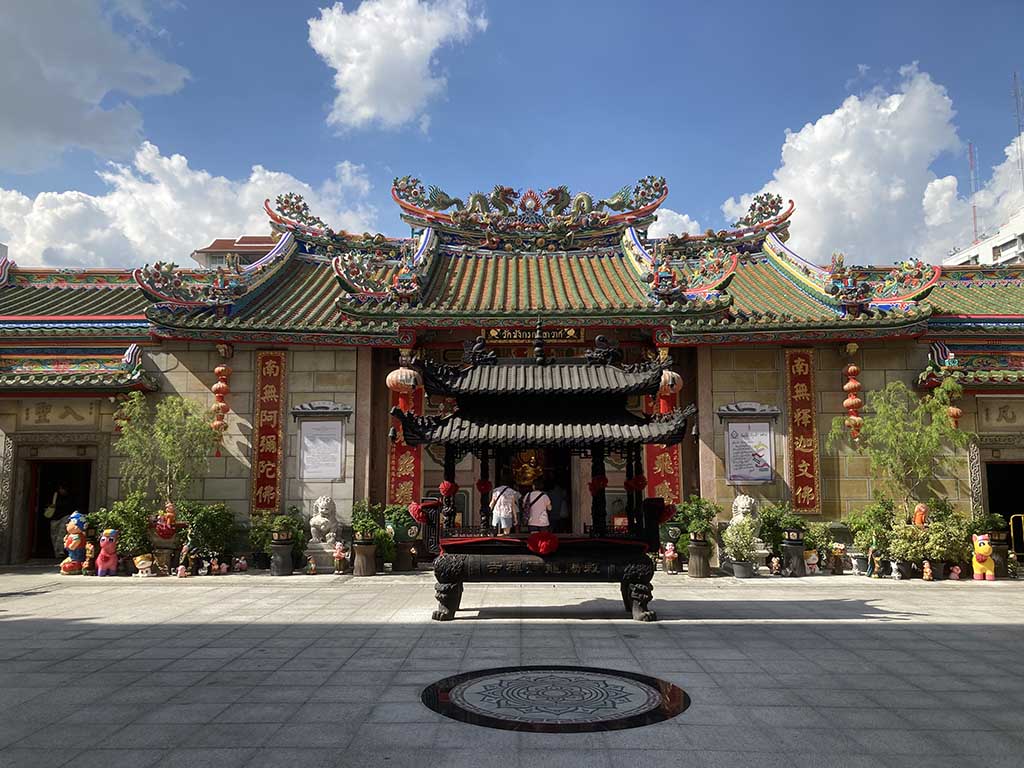
Start Your New Year with Fortune Cleansing at Wat Mangkon Kamalawat
“This place is huge and looks really Chinese” This is my first impression about the temple locally called Leng Nei Yi or Wat Mangkon Kamalawat or Wat Mangkon (Dragon Temple) in short. Of course it is a Chinese temple, which is why it looks Chinese. But later I found that