Source: Freepik
Do I need to exchange cash? Does the train operator accept credit cards? Can I use my Apple Pay with the street vendor? If I travel to Chiang Mai, do they accept my debit card?
I am sure those questions were asked before you visited any country you are not used to. I recently visited Taipei, hoping to enjoy tons of street food. But little that I know, they rarely accept credit cards. Almost every food stall accepts cash ONLY. Plus, there are also not many places to exchange cash as well! In the end, during my 4 day trip, I kept borrowing money from one of my friends for the last 2 days, which was so embarrassing. So I hope you won’t make the same mistake like me when you travel to Thailand by reading this article until the end.
In Thailand, the payment seems to be convenient but at the same time it can be challenging when you go outside of a big city. Here are what you need to know.
Cash Is Still Widely Accepted
Cash is the basic means of payment in Thailand where almost every shop accepts cash. I recommend having some Thai Baht (THB) bank notes in your pocket is a great decision. Especially, if you are not sure the place you go will accept other means of payment or not.
There can be many modern shops or food stalls that stop accepting cash, especially shops with only 1-2 staff or international brands like Starbucks. It is my experience in a very local community market but for the tourist area, I never see a shop that refuses to accept cash.
Here is my small tips about the cash: better have some smaller bank notes in your wallet to avoid an unpleasant incident. The Thai bank notes you will get from the exchange are usually a big bank note like 1,000 Baht (~33 USD) or 500 Baht (~17 USD). It is better to buy something at a big convenient store chain like 7-11 to get change into a smaller bank note first before spending at the other shops. Small street vendors or taxi drivers sometimes do not have enough change if you use big bank notes. Most of the time, of course they will try to find a smaller bank note to change you, but it will take some time and they might spill some bad words to you in Thai. Sometimes, they will round the number up and you might feel that they are cheating. I recommend always having some 100 Baht bank notes (~3 USD) in your wallet. It is not too small and convenient to spend. You will not get a complaint if you spend 20 Baht (~0.7 USD) with your 100 Baht bank notes for sure, even we do have the 20 Baht bank note. I guarantee.
Source: Freepik
Scan or Cash? Introduce a PromptPay, Easy and Applicable Payment System for Tourists with ASEAN Bank Account
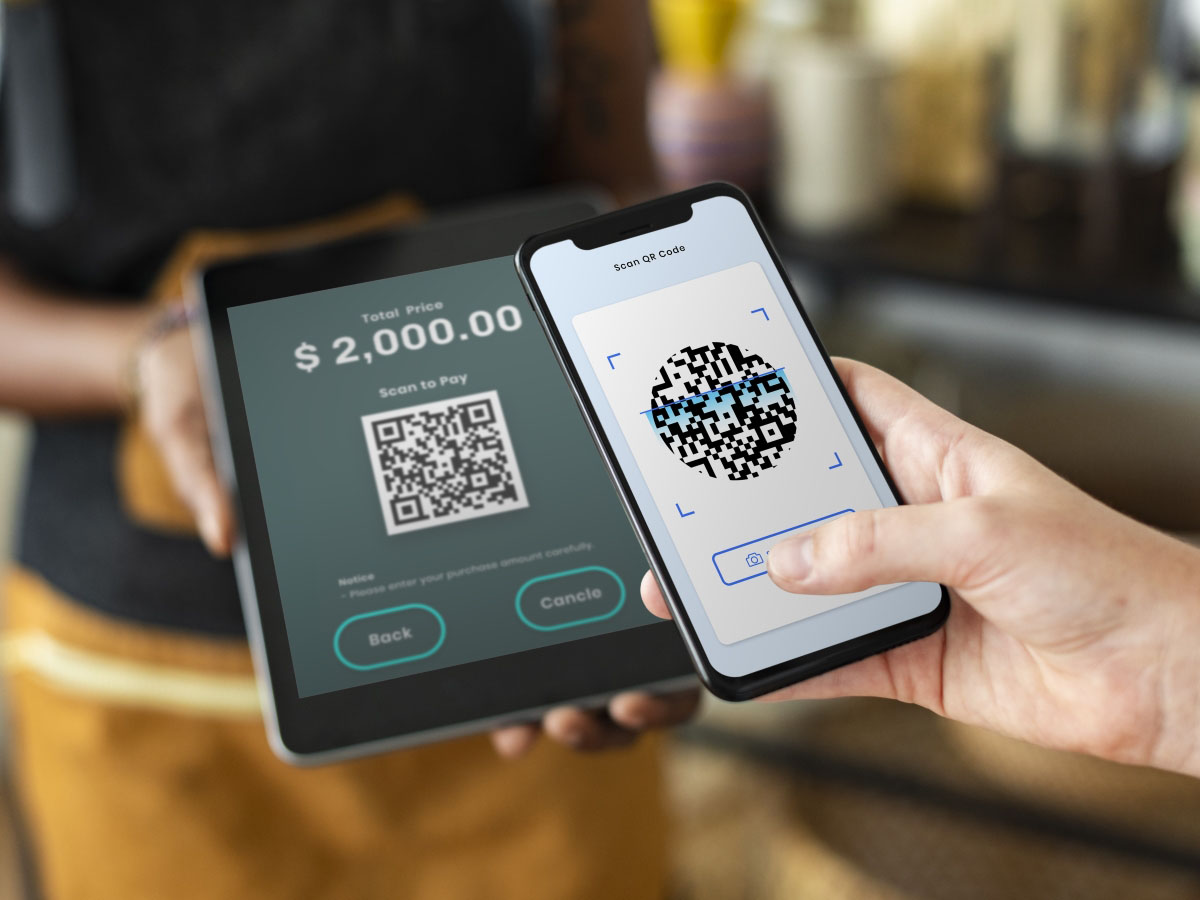
You will definitely get asked by a shopkeeper after purchasing something if you look like Thais. The “scan” they say is one of the most popular payment methods locally known as “PromptPay”, which is a method of doing a bank transfer via QR code. You can easily notice if a shop accepts this PromptPay by noticing if they do have the QR code showing at the cashier or not.
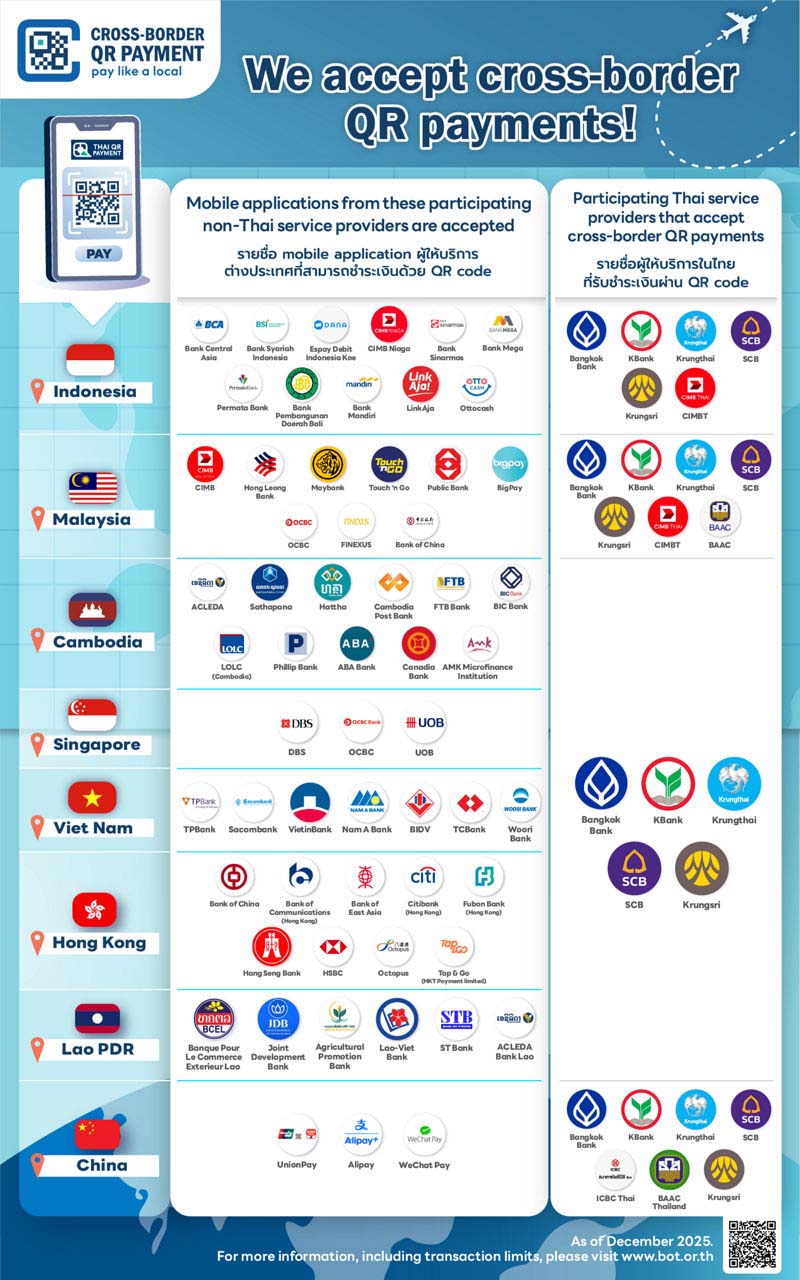
The good thing about PromptPay is that it is widely used in Thailand. Everywhere you go, if a shop accepts this, then you can pay without using the real cash. The way PromptPay works is you need to have a Thai bank account or a bank account in ASEAN’s country like Singapore, Malaysia, Indonesia, Vietnam. Make sure you have an account which can do a transaction via mobile application. Just open your bank’s application and scan the QR code to pay. Easy and convenient. However, for those who do not have a bank account in ASEAN’s country, this is not an option for you.
Big “NO” to Debit Card
Debit Cards are not popular in Thailand at all. There are many concerns about the system security of the debit cards among Thai people as the money is instantly deducted from the bank account once you use it, unlike the credit card where the issuing bank must verify the transaction first. Moreover, with the arrival of PromptPay, Thai people feel more comfortable using this technology as the regulation protects the users where the bank must also be responsible for unusual or fraudulent transactions.
In Thailand, the debit cards are dying. Many local banks no longer offer this type of card anymore. Even if you still have the card and try to make a payment in a shopping mall, the cashier might not even understand your request!
Credit Card Works, But Only In a Big City
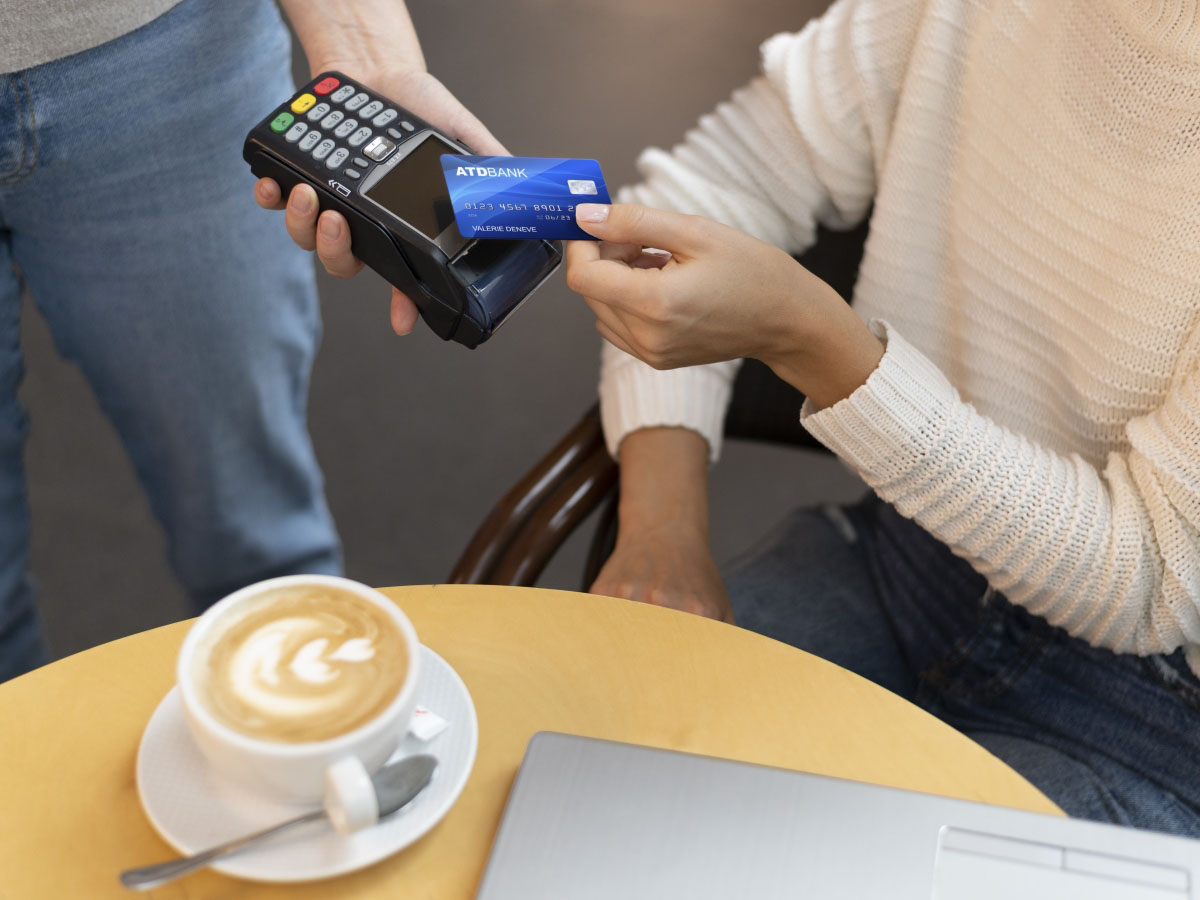
If you are planning to visit the big cities in Thailand like Bangkok, Pattaya, Chiang Mai or Phuket, many places do accept credit cards. However, it works perfectly fine only in a shopping mall or big restaurant chains and hotels.
Street food shops and stalls do not accept credit cards as their size is too small and they cannot bear the fee from the bank. Small standalone restaurants sometimes accept credit cards. Some restaurants absorb the credit card fee for their customers, but they might need a minimum spending, which is usually around 300-500 Baht in order to accept the credit cards. Some push the credit card fee to their customers. In that case the fee is usually around 2-3%.
VISA, Mastercard, JCB or Union Pay are commonly used and accepted in Thailand. For some less common cards like AMEX, this might not be accepted due to its higher fee, even in a big shopping mall or local restaurant chains. Some might accept but they might push the credit card fee to you. I recommend you ask the cashier first if you want to use your AMEX card.
How about outside of those big cities? Well… Places that accept credit cards are quite limited. If you are not going to the big shopping mall like central or the giant supermarket chain like Big C or Lotus’, I do not think you are able to find anywhere that accepts credit cards. But to be sure, you better ask first.
Source: Freepik
How About Other Alternative Payment Channels?
Did you know that 7-11 no longer accepts credit cards? This is the part I feel super annoying as I used to spend everything on credit cards but now I have to spare some cash in my wallet just to buy a bottle of water in 7-11. Actually, instead of credit cards, they offer an alternative payment channel called “True Wallet” which is their own payment gateway. The good thing about True Wallet is you can top up your money using your credit cards and use it at any 7-11 as well as many shops or stalls. This means it can be an alternative payment channel for tourists if you do not want to carry too much real cash in your wallet.
If it is not a local alternative payment channel, honestly speaking, it totally depends on where you are going based on my personal experience. Most of the time, if you go to a place where it is popular among a certain group of tourists, the shop will have an alternative payment option which caters to that specific group of tourists. For example, for a popular shop or restaurant among Chinese tourists, they will accept payment from Chinese applications such as WeChat Pay, AliPay, Shopee pay, etc.
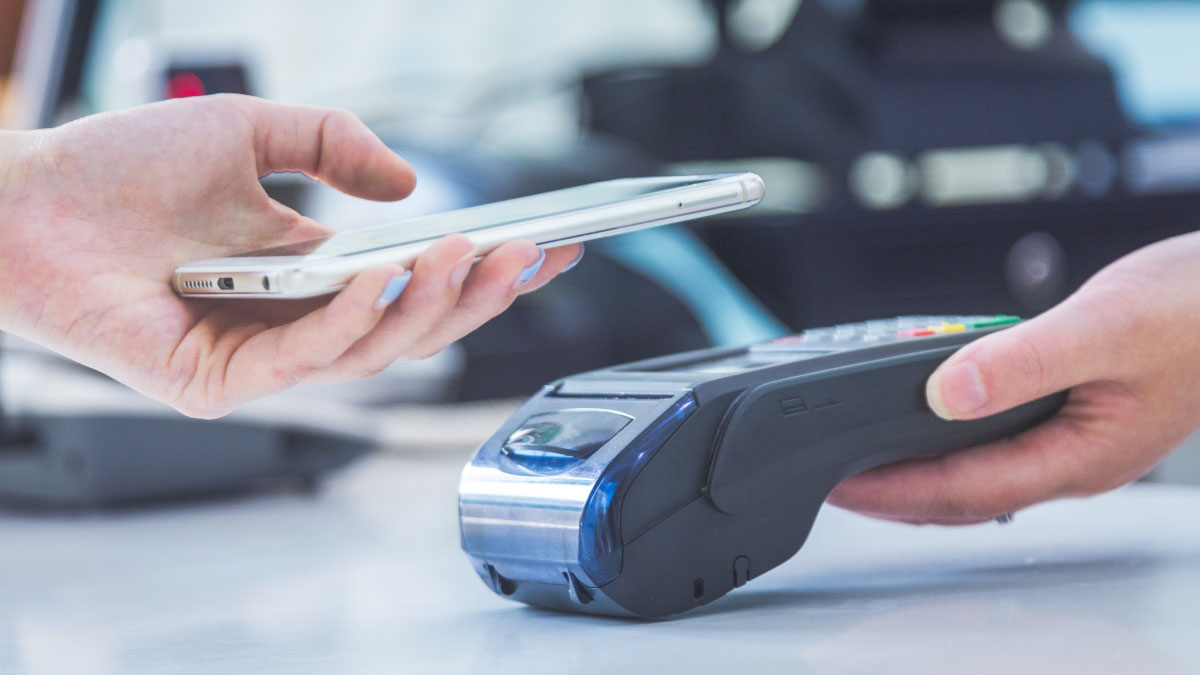
For Apple Pay, if a shop accepts the contactless payment, of course you can use it. However, those shops are likely to be shops which accept credit cards, which is limited to the shops in big cities.
Cryptocurrency? Not so fast! You cannot use cryptocurrency to pay for food and other stuff in Thailand yet.
Bottom line
Cash is still widely used and accepted in Thailand, especially in the upcountry.
If you have a bank account in ASEAN’s country, enjoy your privilege to travel across the country without cash. Instead, you can scan the QR code to settle the payment from your bank’s mobile application.
For some modernized places like shopping malls or big restaurant chains in big cities, feel free to use credit cards or ask for an alternative payment channel of your choice, if they provide.
Better to ask if you are worrying about the extra charges or fee from the cashier as well.
Have a blissful journey!