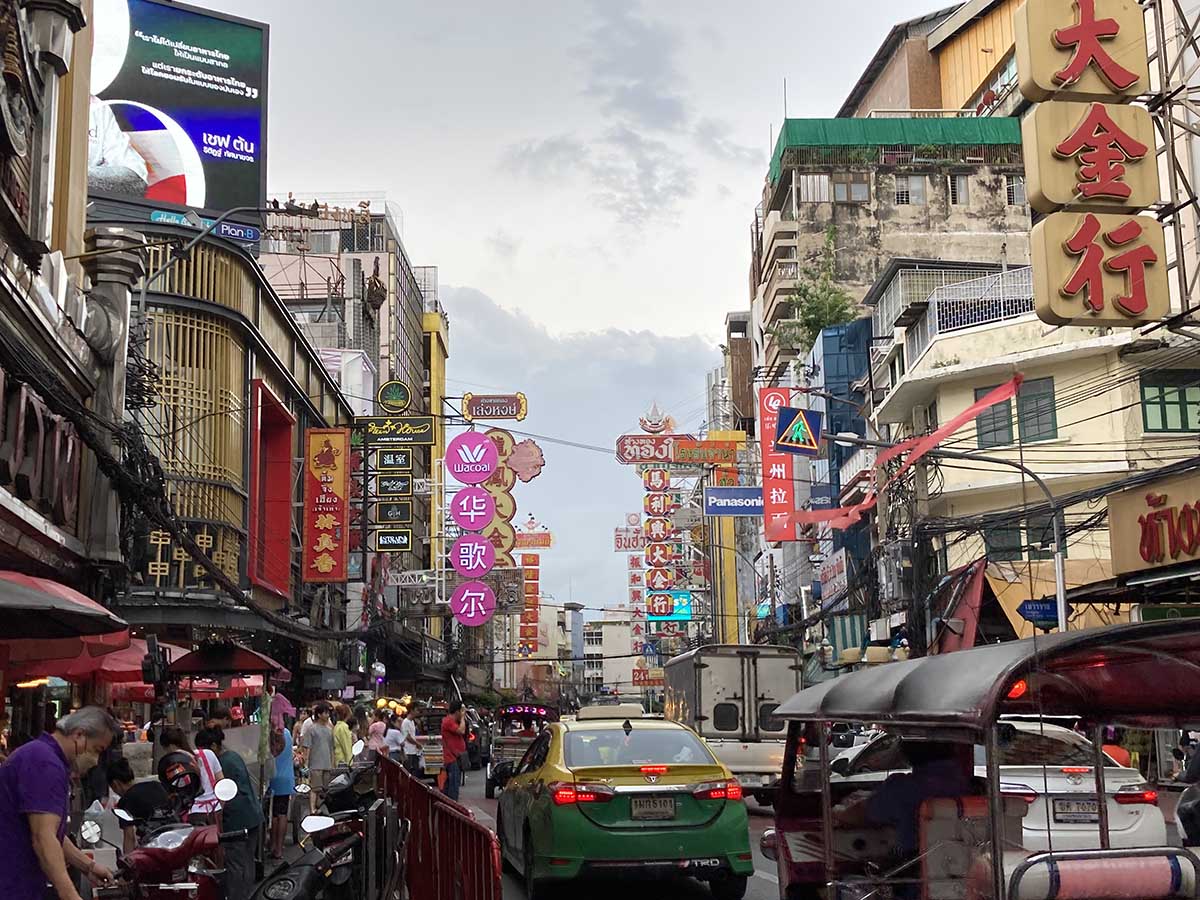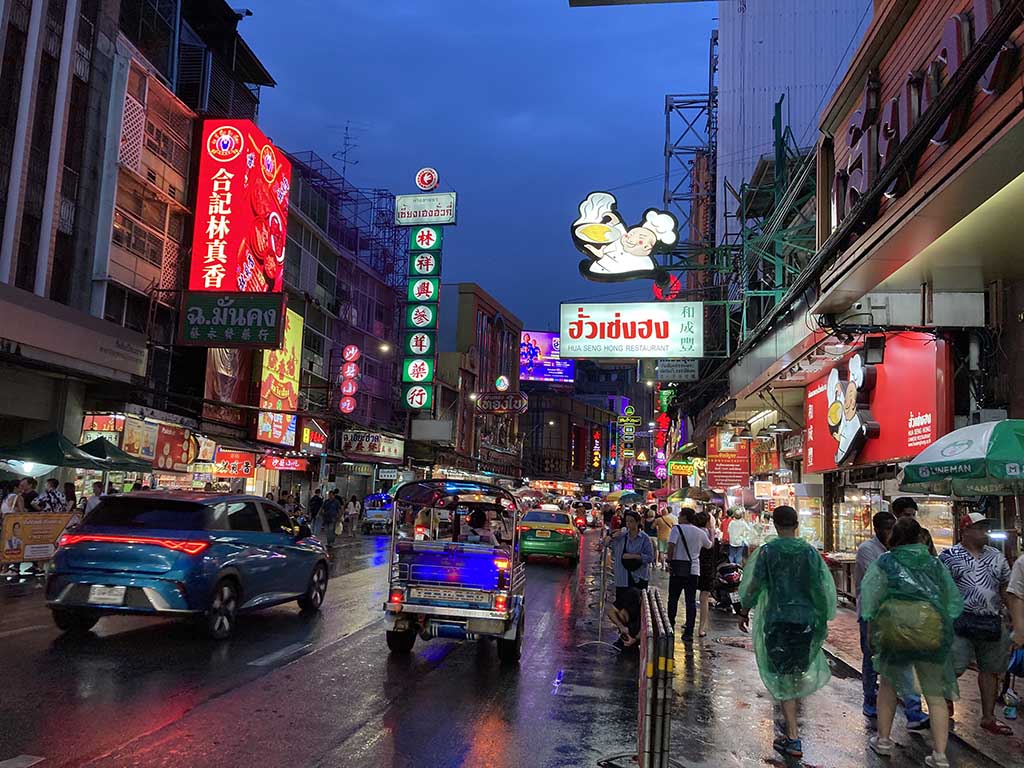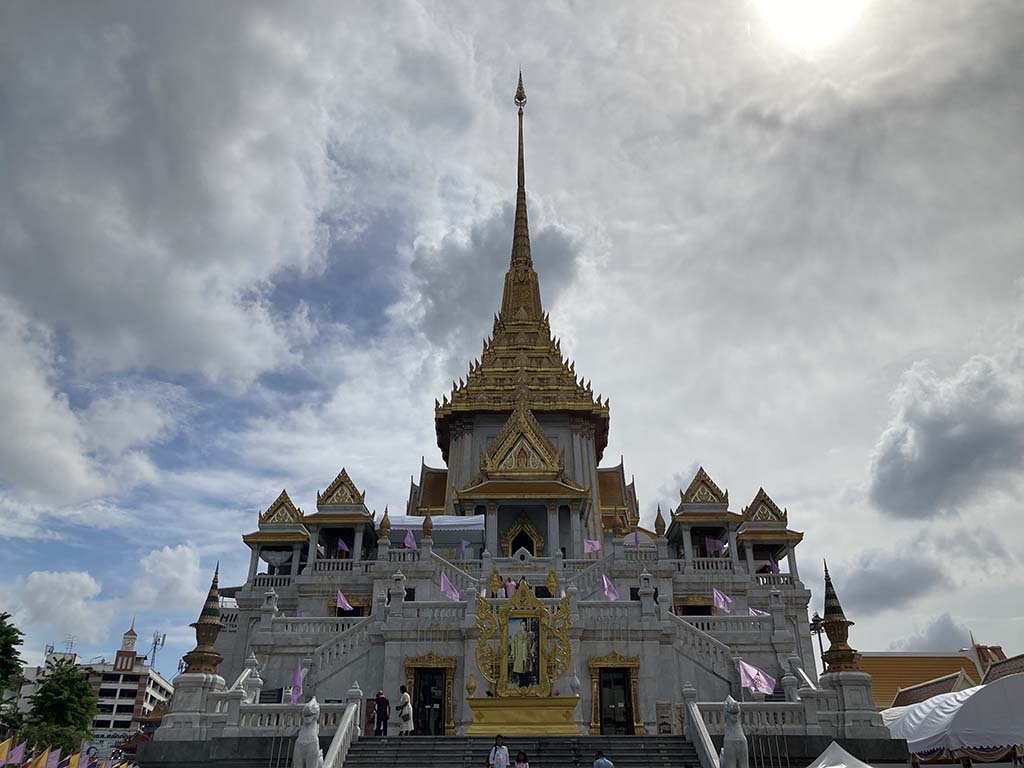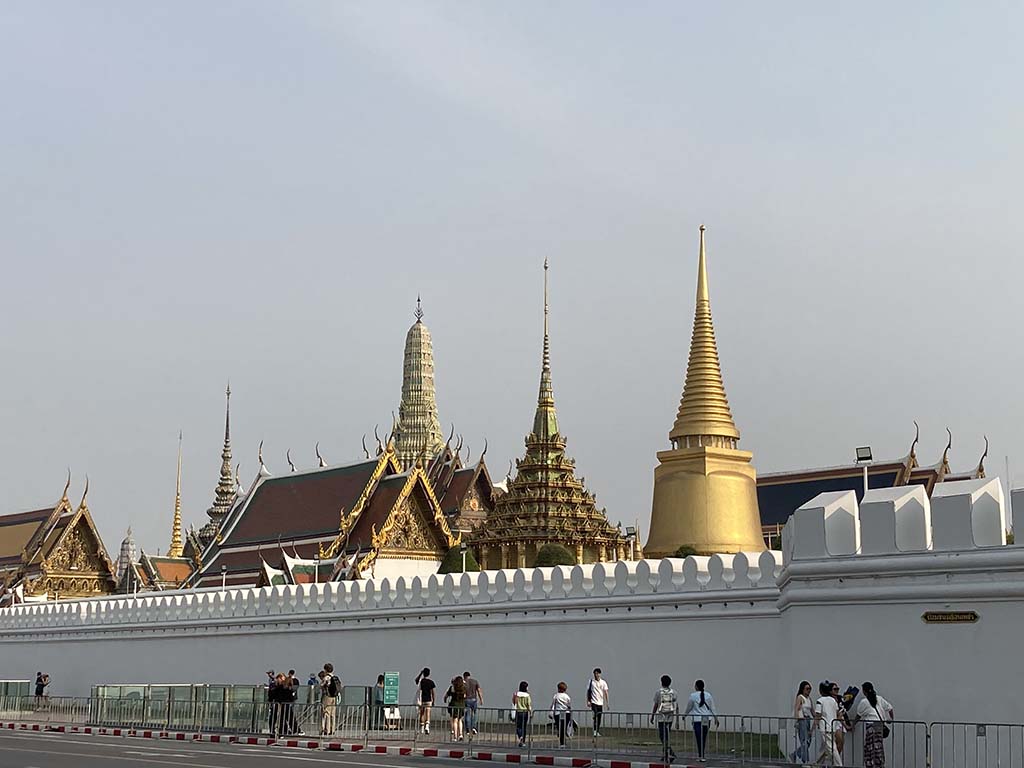
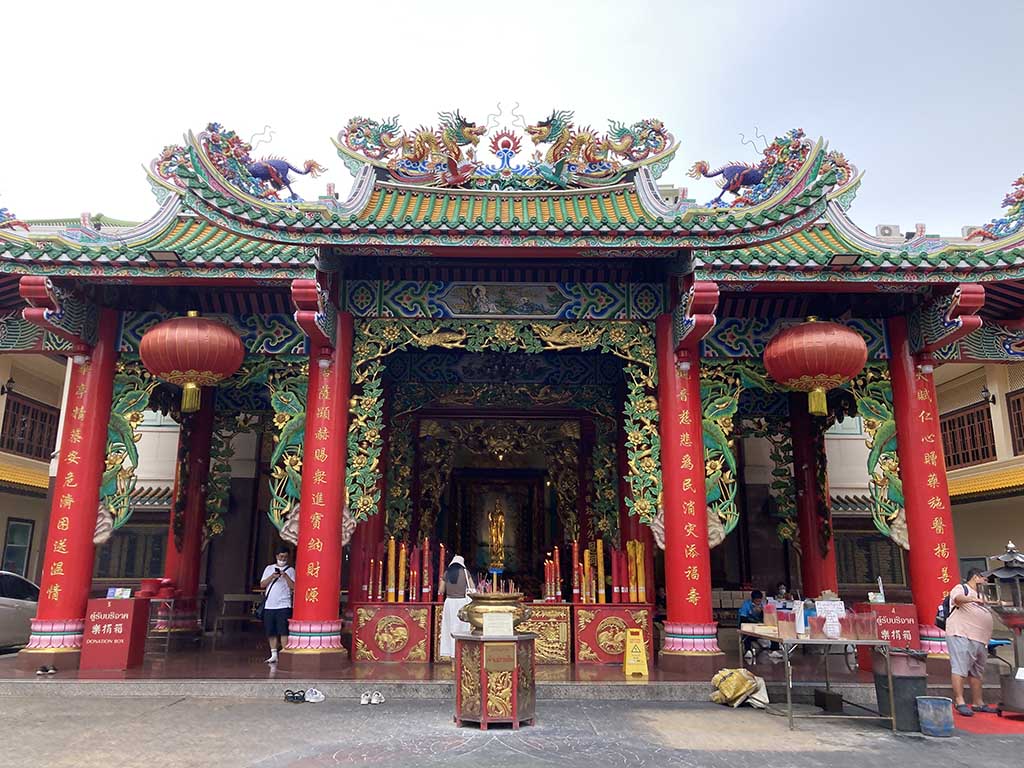
One activity many local people do when they visit Yaowarat Bangkok Chinatown is to pray. There are many temples and shrines, representing the belief of local Buddhism and Chinese deities together in the community. Guanyin Shrine at Yaowarat is one of the most widely known and worshipped by many Thai people of Chinese descent for good health and safety, especially for women and children’s health. Here is her story and why local people always visit here every time they come to Yaowarat Bangkok Chinatown.
History of Guanyin and Her Power
In Mahayana Buddhism, which is widely practiced among East Asian communities, there is a concept of the Bodhisattva — a being who dedicates themselves to help others to be free from suffering before fulfilling themselves. Guanyin is one of the Bodhisattvas according to this belief. She is regarded as the Bodhisattva of Compassion, who helps those in distress. Her story is a legend, which can appear in many versions and slightly different in details depending on which area of the world you hear it from. According to the legend I heard from my grandparents, who are Chinese immigrants, Guanyin was a princess named Miao Shan. She had deep faith in Buddhism and constantly helped people who were in need. She refused to fulfill her father’s instruction to marry for political reasons. Her father, King Miao Zhuang, was not pleased and later ordered her execution. Due to her good deeds, she managed to survive and continued to help others and practice Buddhism until the end of her life. From her dedication of helping others and considering others over her own benefits for the entire lifetime, later she became Bodhisattva.
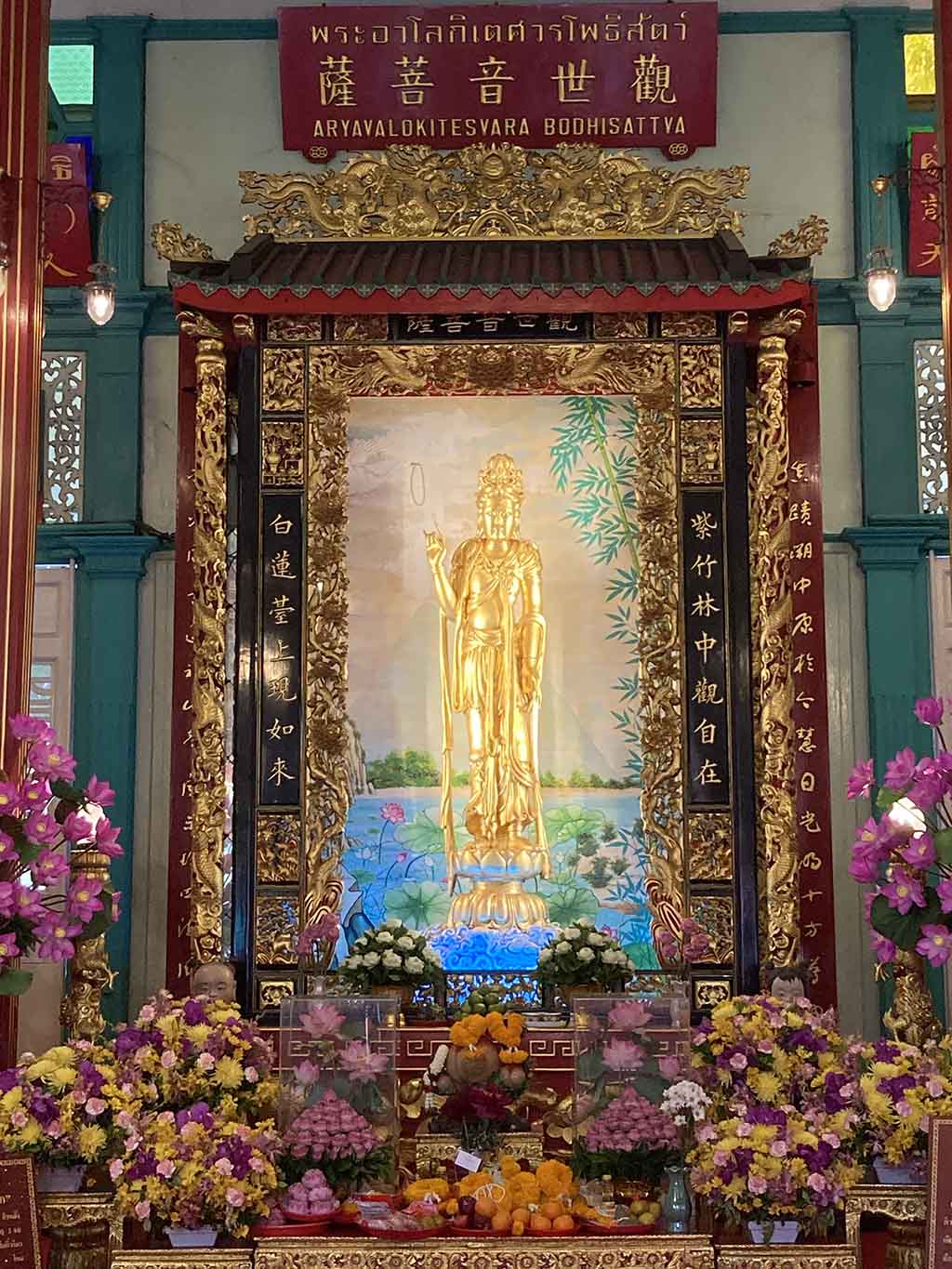
Her statue at this shrine is in the blessing posture, holding a vase of holy water and a willow branch, which she uses to sprinkle holy water for healing illnesses. It is crafted from fragrant sandalwood in the artistic style of the Tang Dynasty which is believed to have been created during the Song Dynasty, around 800–900 years ago.
Many Thai people with Chinese descent believe that worshipping Guanyin at this shrine brings good health, especially among women and children. I hear many stories from female friends and relatives that after experiencing many complications during pregnancy, they came here and prayed for the safe delivery of a baby and Guanyin always helped them through the difficult times. You can always walk into the inner area of the shrine to pray closer or meditate in front of the Guanyin. Please remove your shoes before entering the inner area.
Thian Fah Foundation: Hospital for Underprivileged
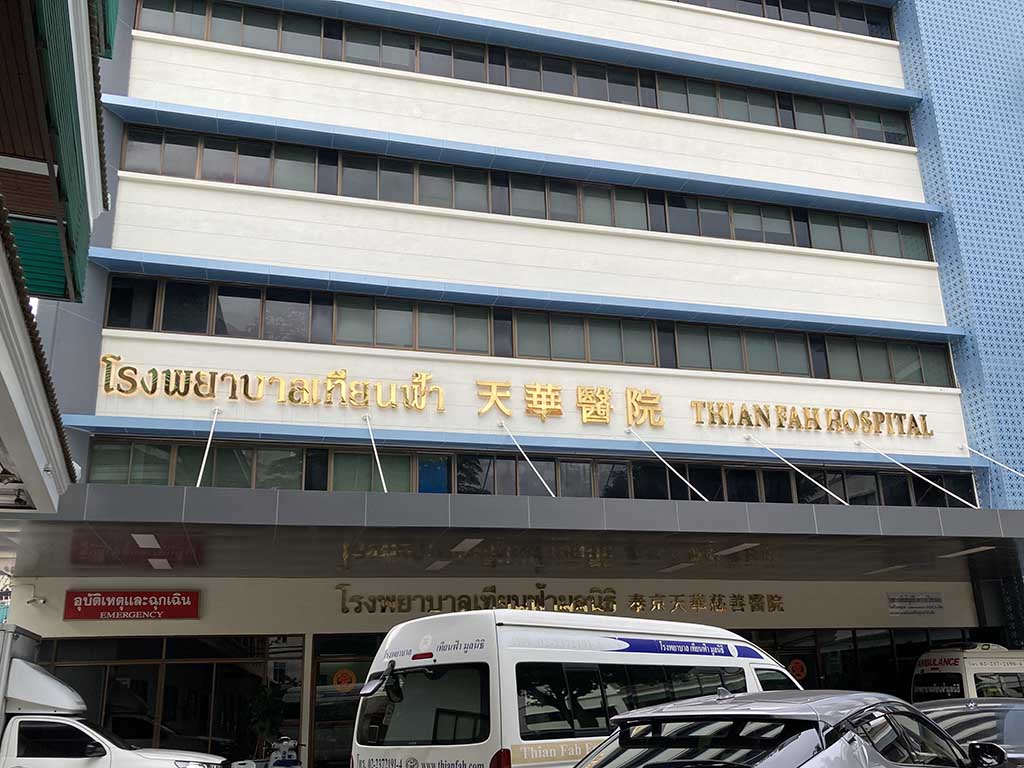
Not only the shrine offers spiritual healing power, but also medical treatment based on science. It is the first charitable organization in Thailand, established in 1902 by six overseas Chinese merchants, who represented five major Chinese ethnic groups in Thailand: Teochew, Hakka, Cantonese, Hokkien, and Hainanese. The foundation’s primary objective is to provide medical care for the underprivileged. Today, the foundation has established its own hospital — Thian Fah Foundation Hospital, located behind the Guanyin Shrine — offering both modern Western medicine and traditional Chinese medicine treatments.
If you wish to support the activities of the Thian Fah Foundation, you may visit the donation room located beside the shrine to make a contribution according to your generosity.
Opening hours
Guanyin Shrine open daily from 09:00 until 17:00
Entrance fee
Free for everyone.
How to get there?
There are many interesting places nearby within walking distance. You can find more information about the transportation in this area from this link.
By MRT
Get off the train at MRT Wat Mangkorn Station and use exit 2. Walk along Plaeng Nam street until you arrive at Yaowarat road. Walk along the Yaowarat road towards the southeast for 350 meters. The entrance to the temple is on the right, opposite to Wat Trai Mit.
By TukTuk/Taxi
The driver may offer or charge you an overpriced rate but you can always negotiate for a lower price. It is better to negotiate first before entering the vehicle.