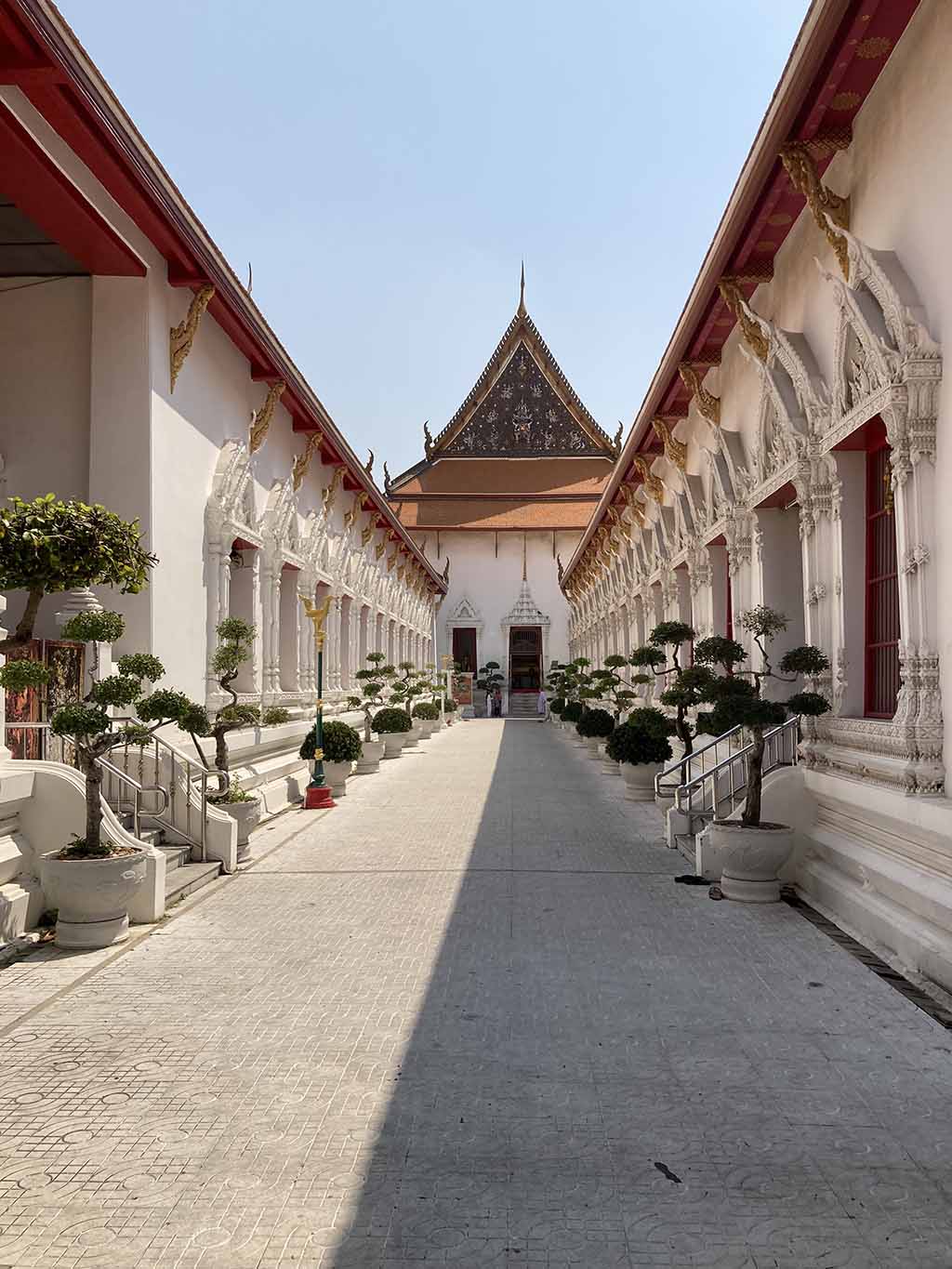
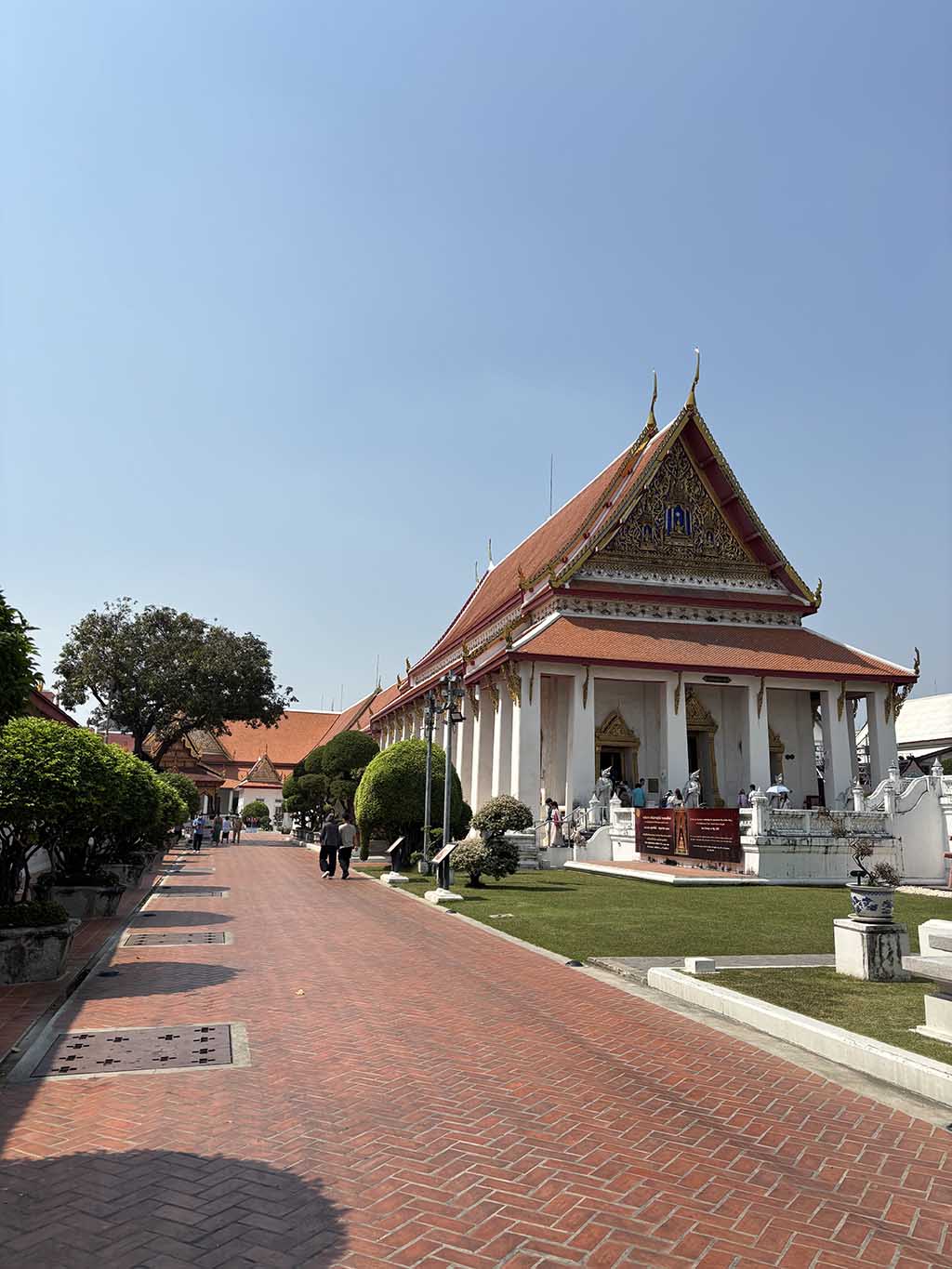
The National Museum Phra Nakhon is a museum that presents Thai culture from prehistoric times to the present through exhibitions of ancient artifacts discovered in Thailand. The museum consists of multiple building complexes, each showcasing artifacts according to different periods in Thai history.
Journeybliss tips: The storyline at the National Museum Phra Nakhon is placed chronologically. Each building represents history at a certain period of time. We suggest you follow our recommended route through each building according to the article below to maximize your experience and fully understand the history of Thailand from the beginning.
Discover the Prehistoric Time of Southeast Asia at Maha Surasinghanat Building (Room No. 401-406)
This building displays artifacts starting from the prehistoric times (before 13th Century) which were discovered across Southeast Asia and Asia in general (Room No. 401-402). Followed by the story of ancient civilizations which were settled in the area nowadays called “Thailand” before the historic time of the country. Here is brief information of each ancient civilization for your better understanding.
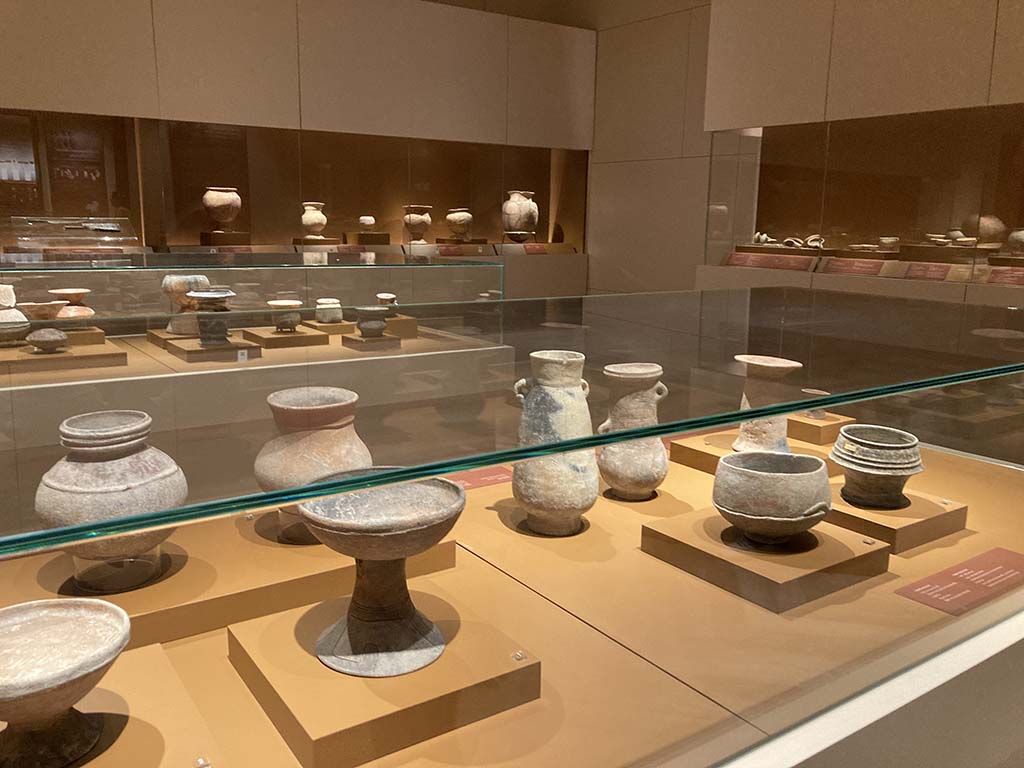
Dvaravati (Room No. 403), an established ancient civilization located in the central part of Thailand. The culture of Indian and Buddhism flourished during this period of time and laid down the foundation of Thai culture nowadays.
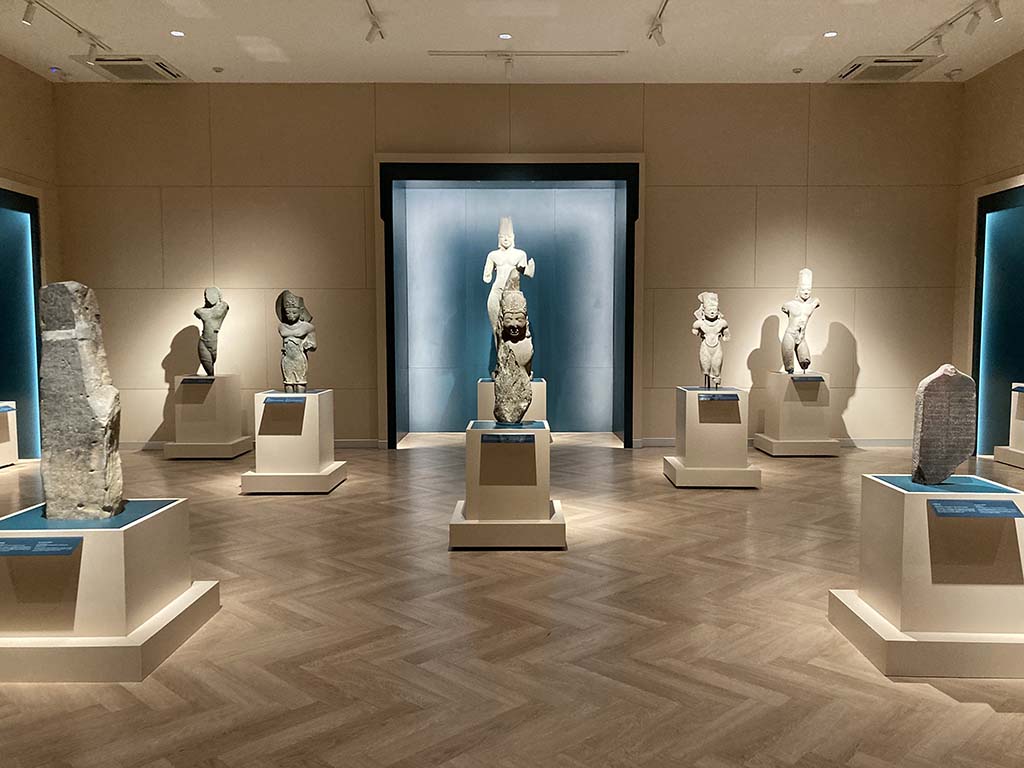
Lopburi (Room No. 404-405), an ancient civilization scattered around the central part of Thailand. The evidence traces back to the existence of this civilization over 3,000 years ago as well as the flourishing of Buddhism long before under the influence of the Khmer empire, a Hinduism superpower state in the southeast asia prehistoric era.
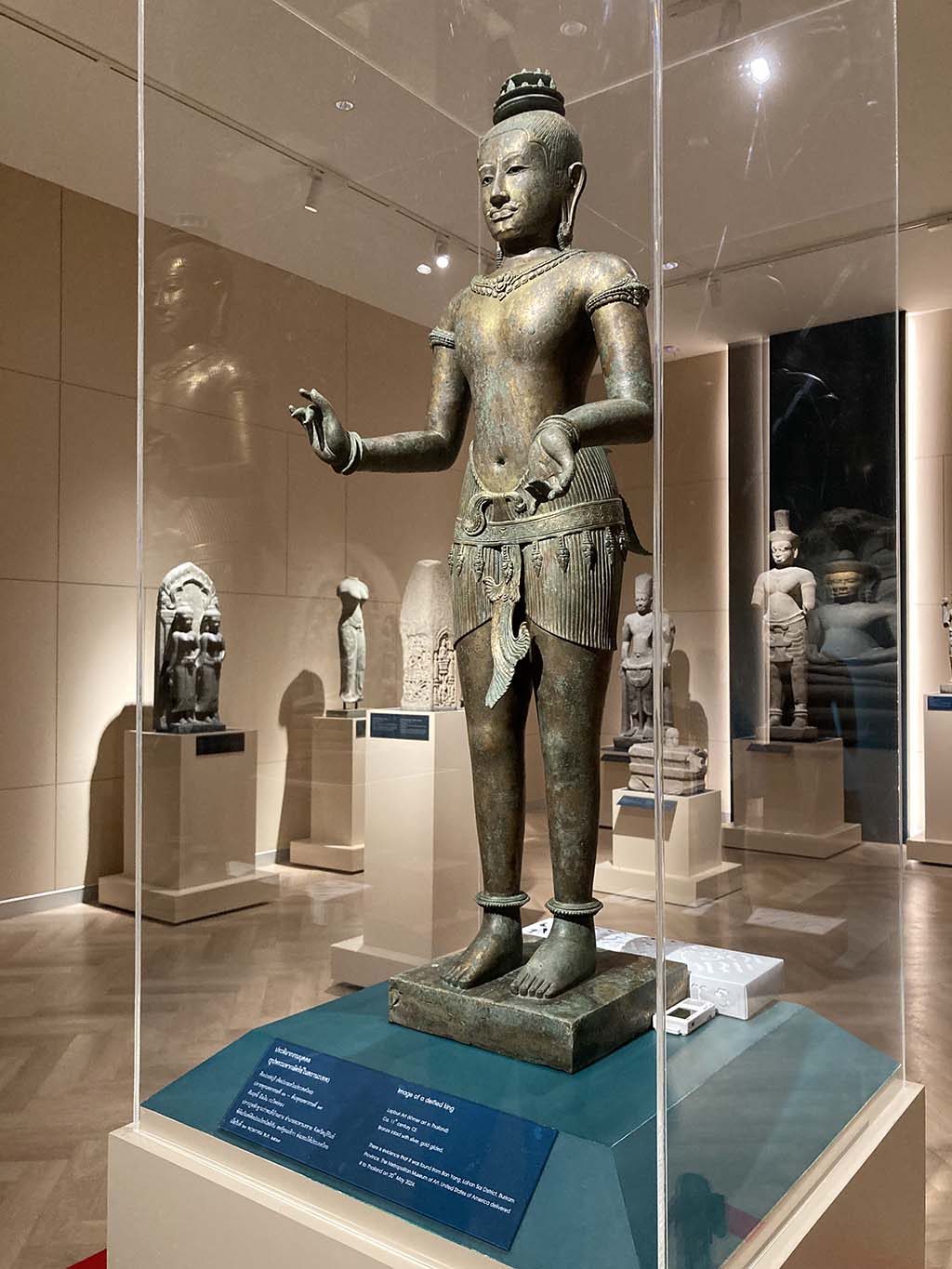
Srivijaya and Java (Room No. 406), an ancient civilization settled in the southern part of Thailand all the way down to the entire Malay Peninsula which is part of Malaysia, Sumatra and Java island which are nowaday a part of Indonesia. It is interesting to see the traces of Buddhism in this area before the entry of Islam in this region.
Explore The Historic Period of Thailand at Prapas Pipitthaphan Building (Room No. 501-505)
The story now moved to the historic period of Thailand (from 13th Century onward). Each room in this building displays artifacts from each period of time.
Lanna (Room No. 501), an important civilization in the northern part of Thailand which had its own culture and unique style of arts.The kingdom was autonomous for a long period of time before it merged with Siam (or Thailand in nowadays name) during the Modern Rattanakosin era.
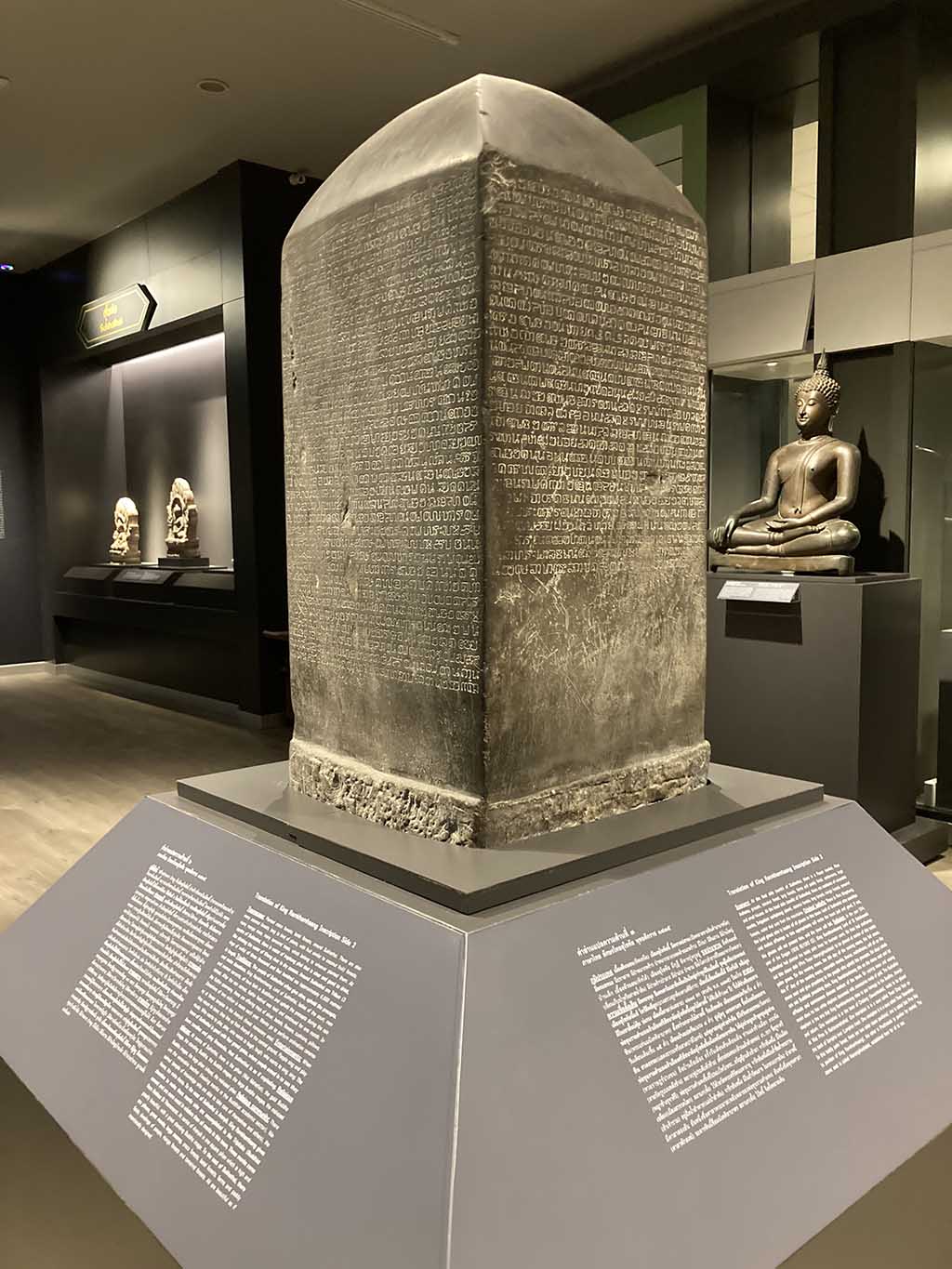
Sukhothai (Room No. 502), a small civilization located in the central part of Thailand – raised during a peaceful and prosperous time of history. The first “Thai” letters were invented in this era, therefore historians consider Sukhothai as “the first era of Thai history” and the start of Thailand’s historic period.
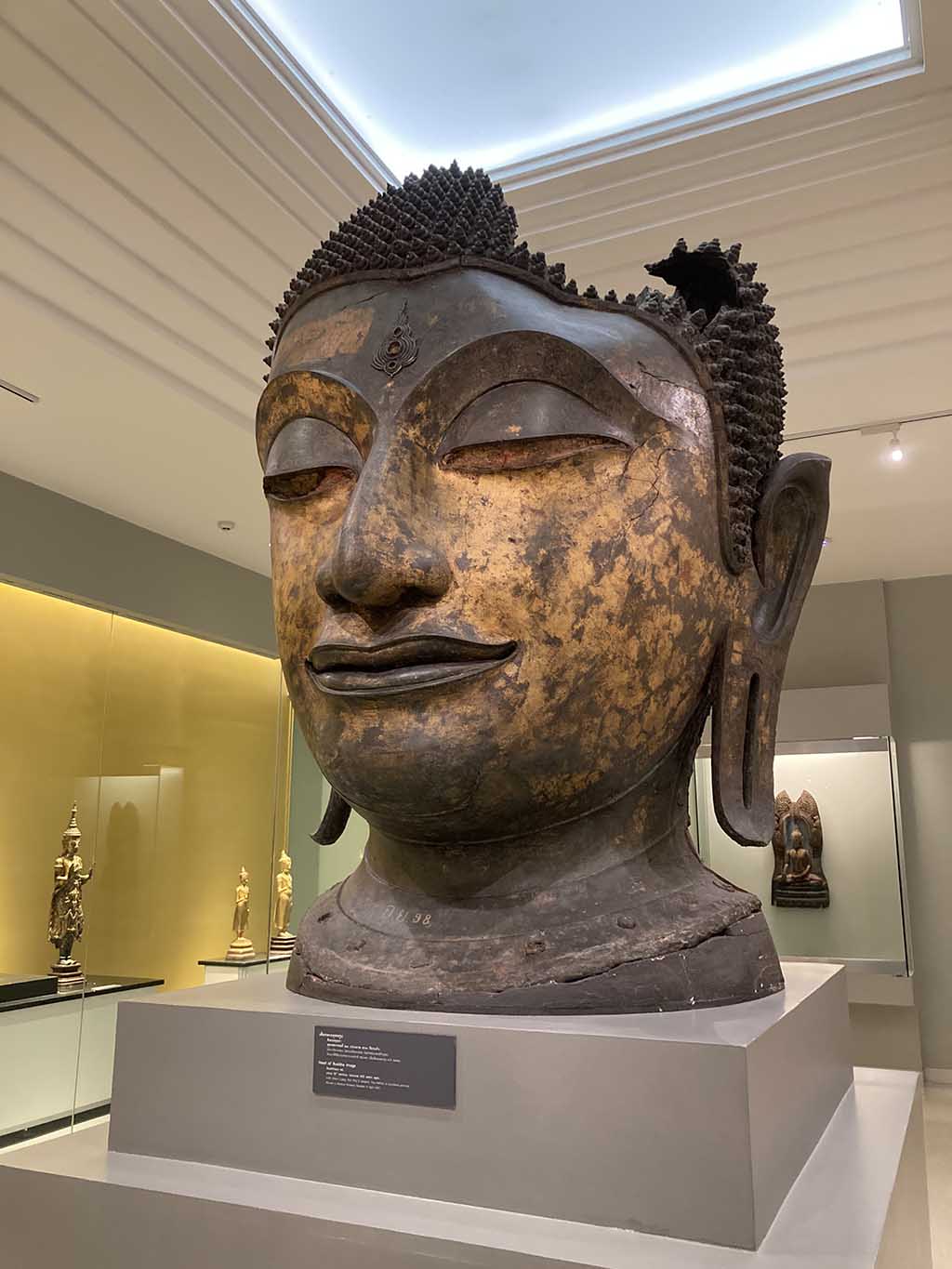
Ayutthaya (Room No. 503), the new superpower state of the region after the fall of Khmer empire. Arts and artifacts from this era are usually designed based on its functionality where sophistication comes in second. Buddha statues in this era usually represent a serious appearance and often in warrior attire.
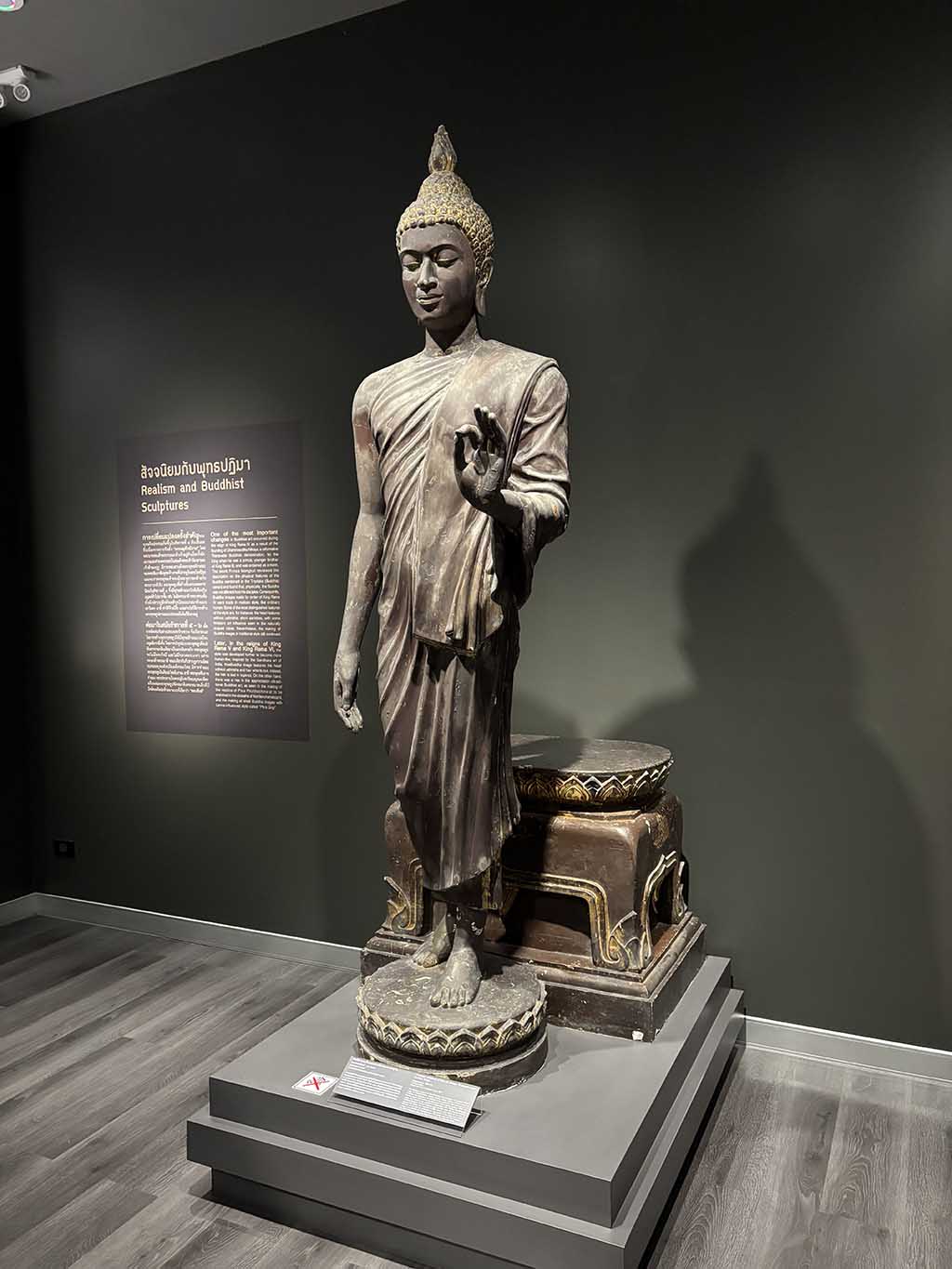
Thonburi and Rattanakosin (Room No. 504), a period of rebuilding the great nation after the fall of Ayutthaya. Many arts and artifacts were created in a similar manner to the Ayutthaya era.
Modern Rattanakosin (Room No. 505), an era where the west met the east and the process of modernisation and westernisation began.
Observe the Royal Collections at Phra Viman Building (Room No. 601-614)
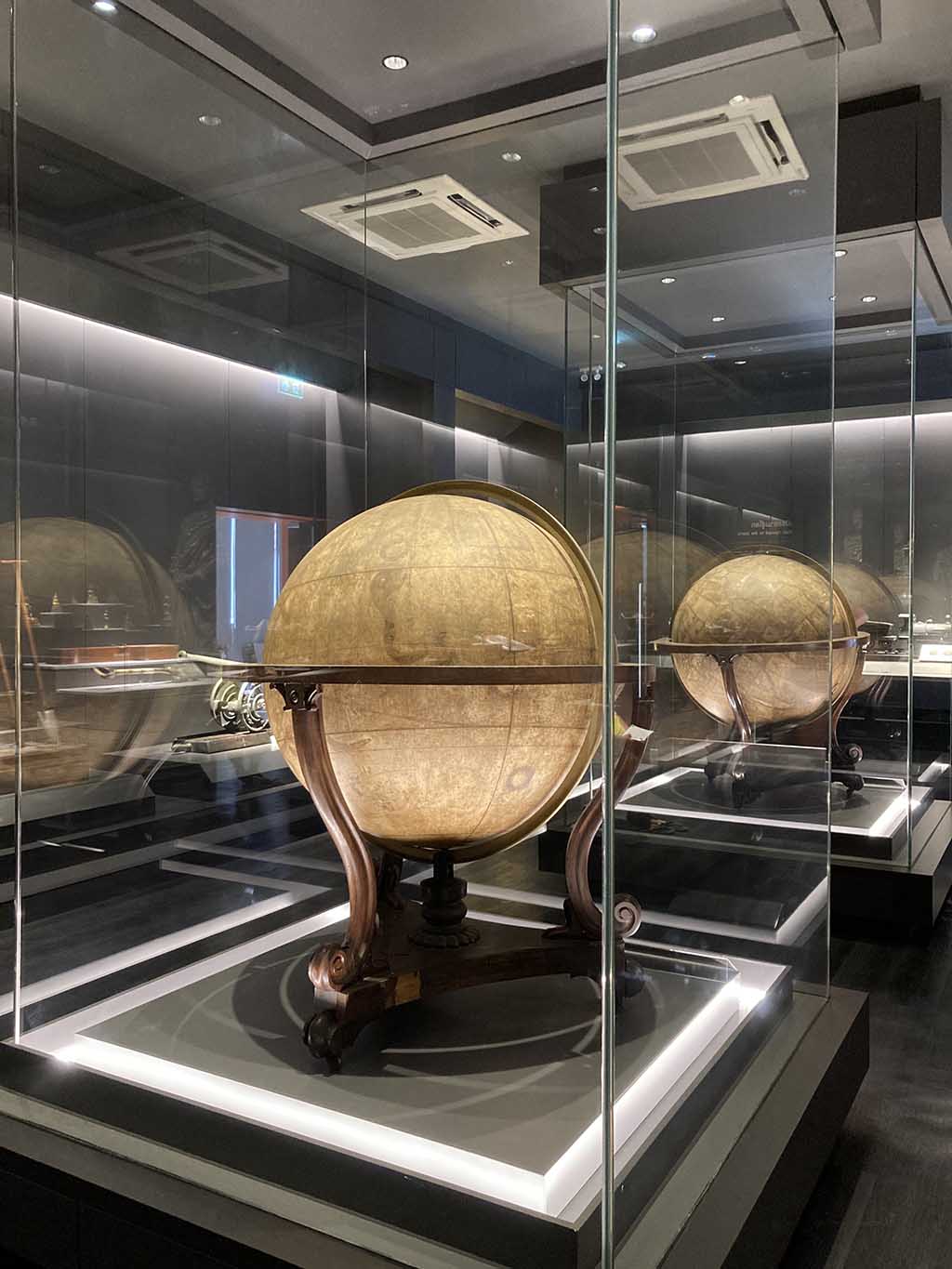
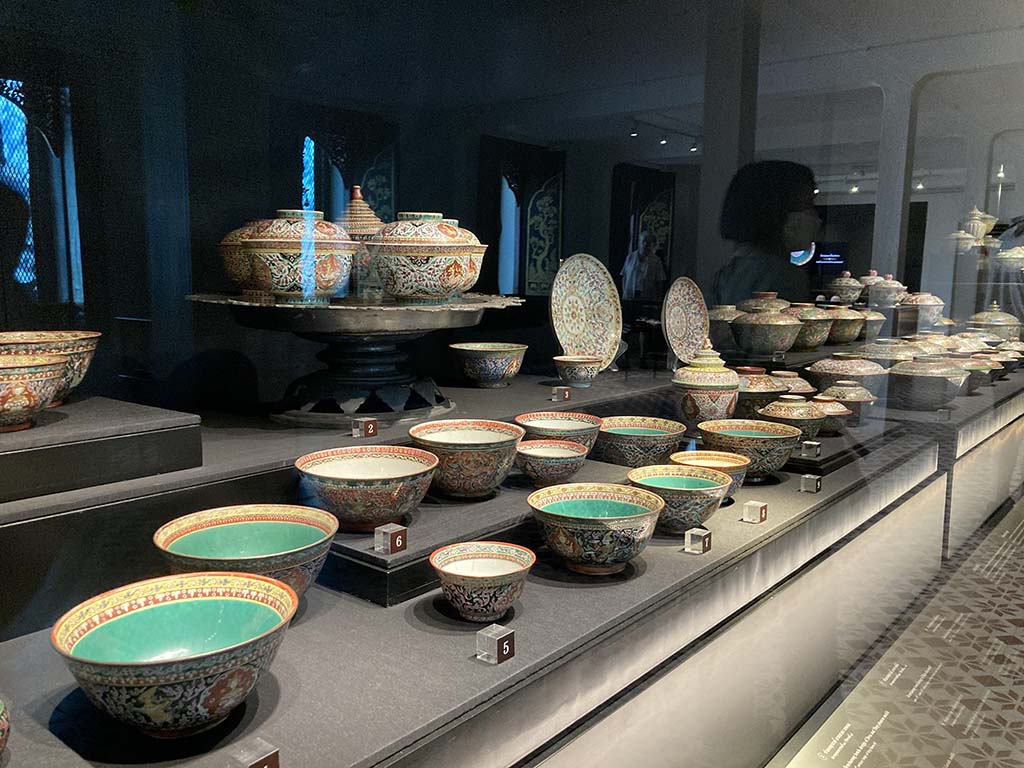
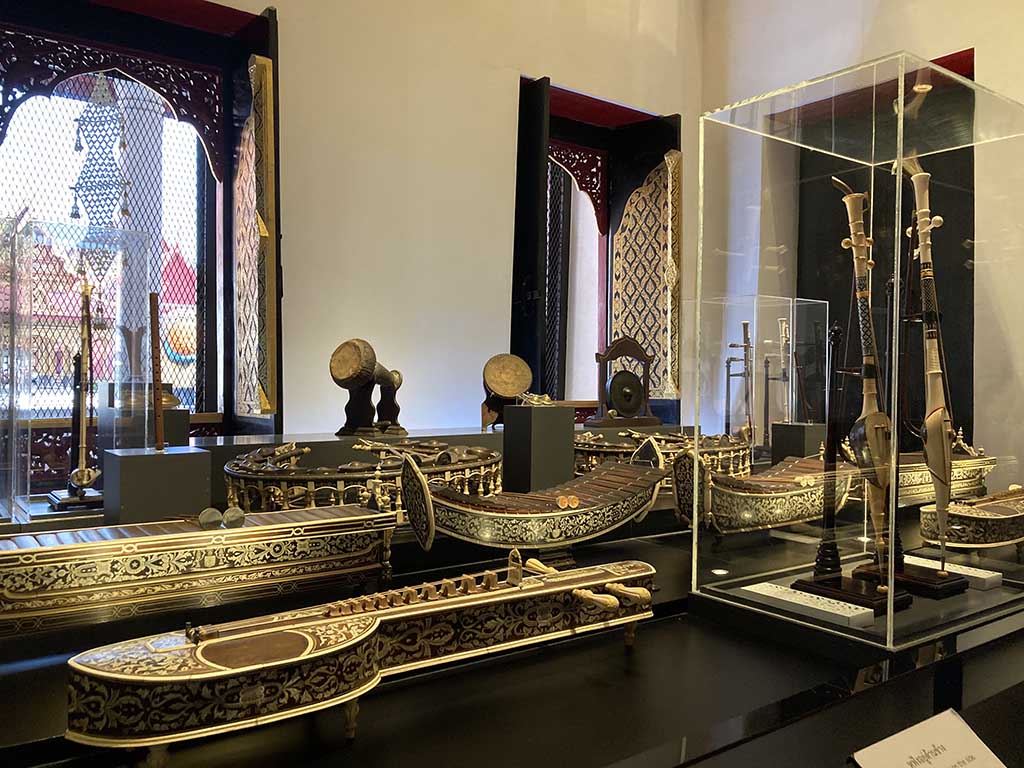
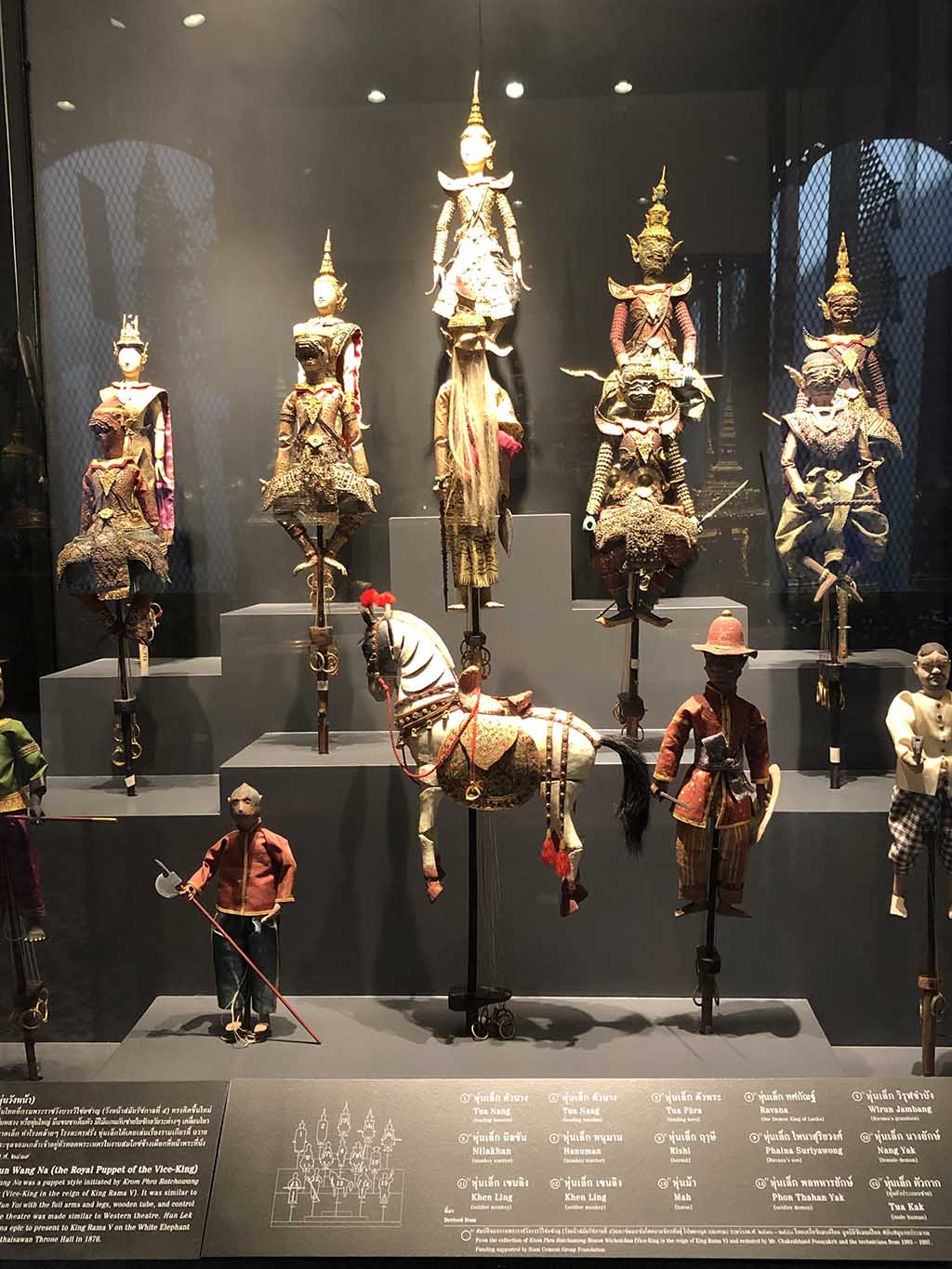
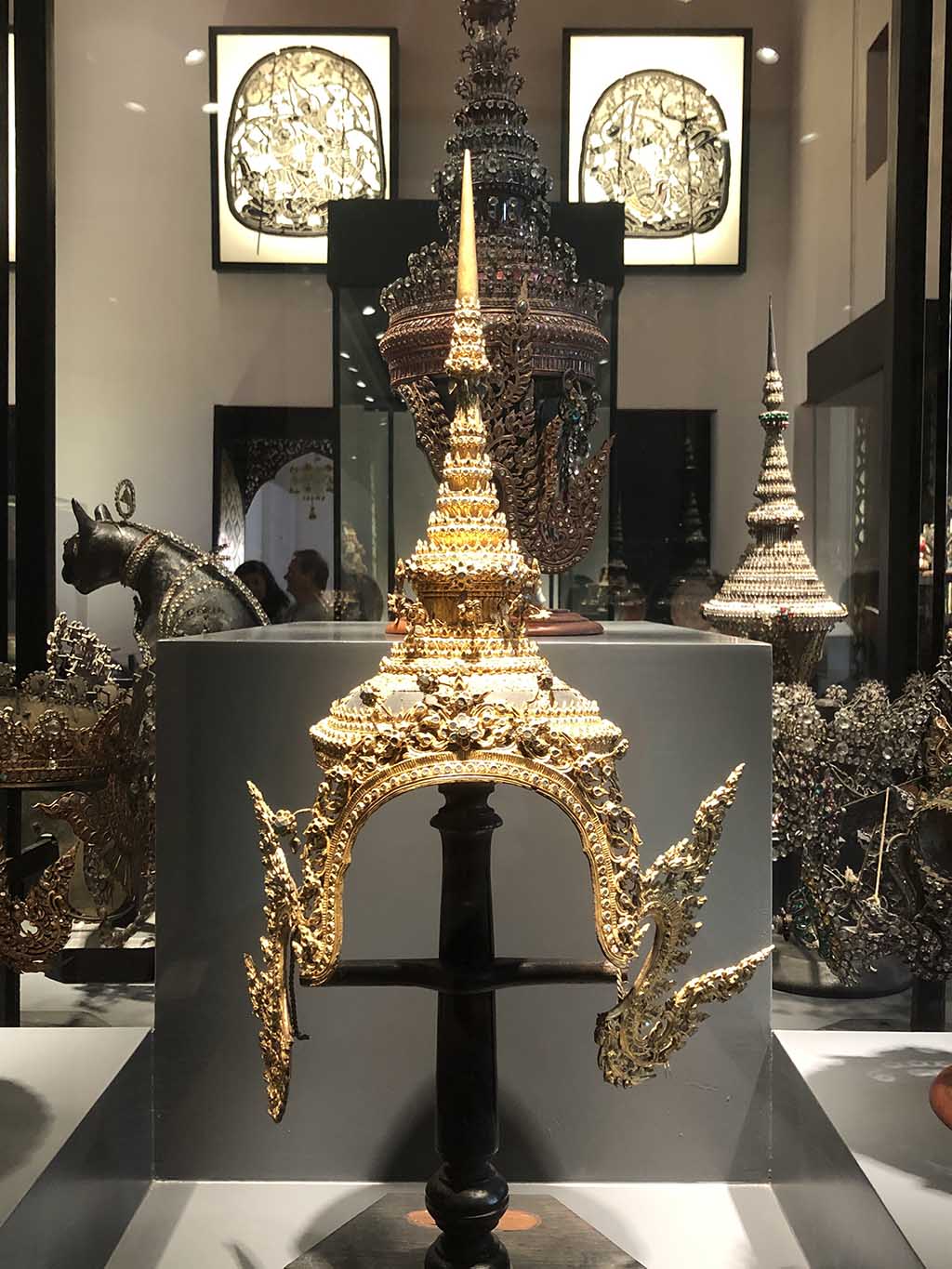
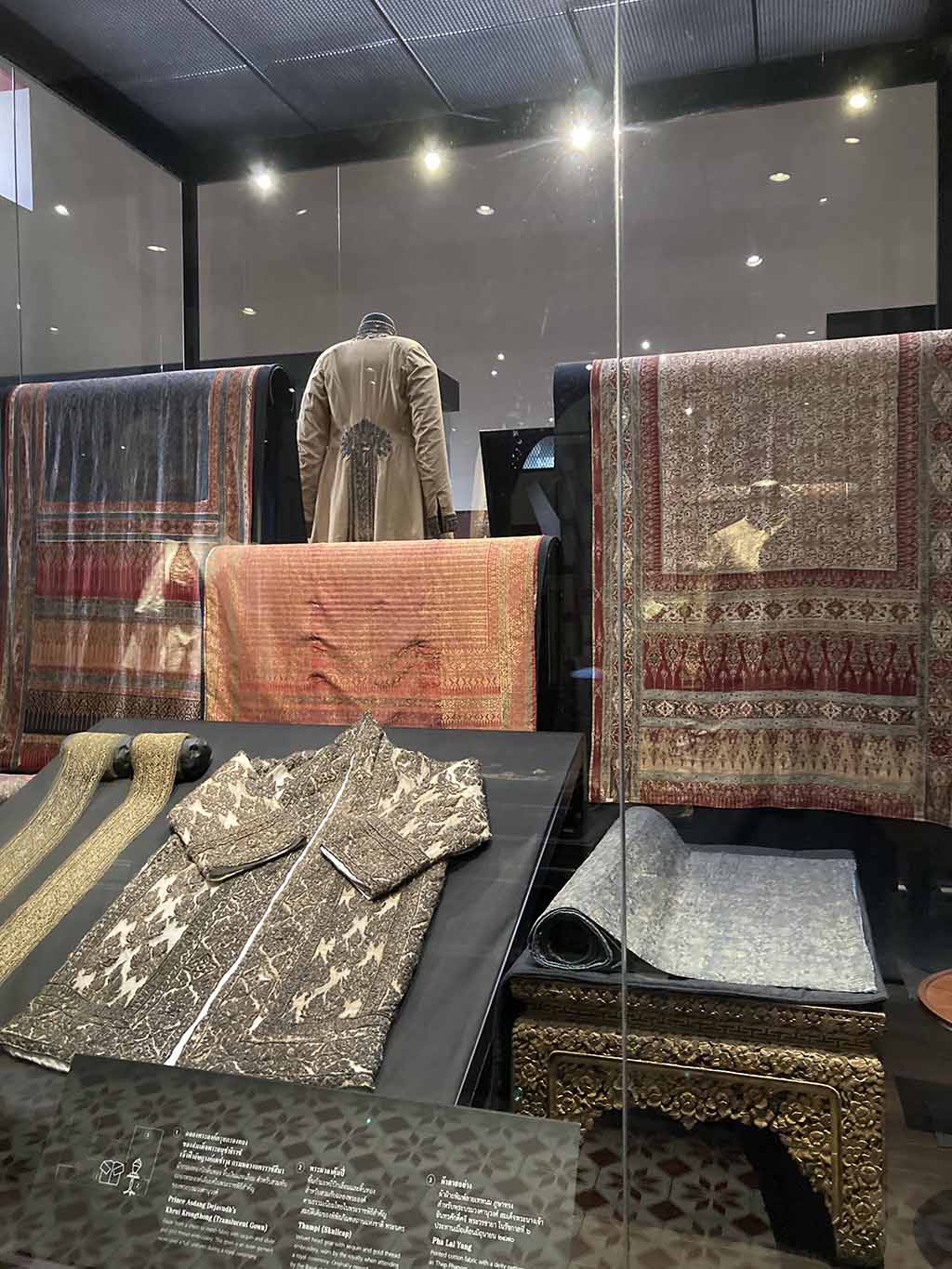
The display of the royal utilities and the nobility belonging is in this building. Each room will display collections of items in categories such as thrones, collections of porcelain and appliances, weapons, clothing, musical instruments, jewellery, and many more.
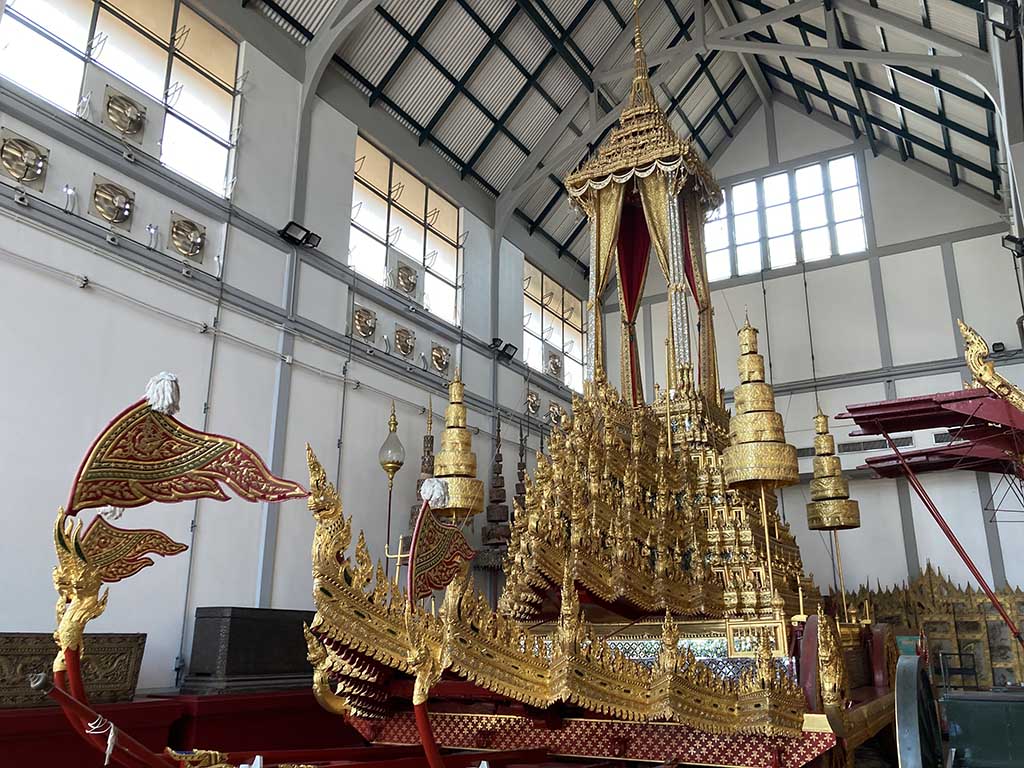
Be Amazed by the Royal Chariots at Royal Cremation Chariots Hall (Room No. 10)
A venue displaying the royal chariots of kings and high-ranking members of the royal family which were used in royal cremation ceremonies.
Enjoy Exclusive Temporary Exhibition at Sivamok Phiman Throne Hall (Room No. 01)
Inside Sivamok Phiman Throne Hall (Room No. 01) there will be a temporary exhibition which is already included in the ticket price. Unfortunately, the program is not well communicated to the public so you will need to be at the exhibition hall in order to know the special program.
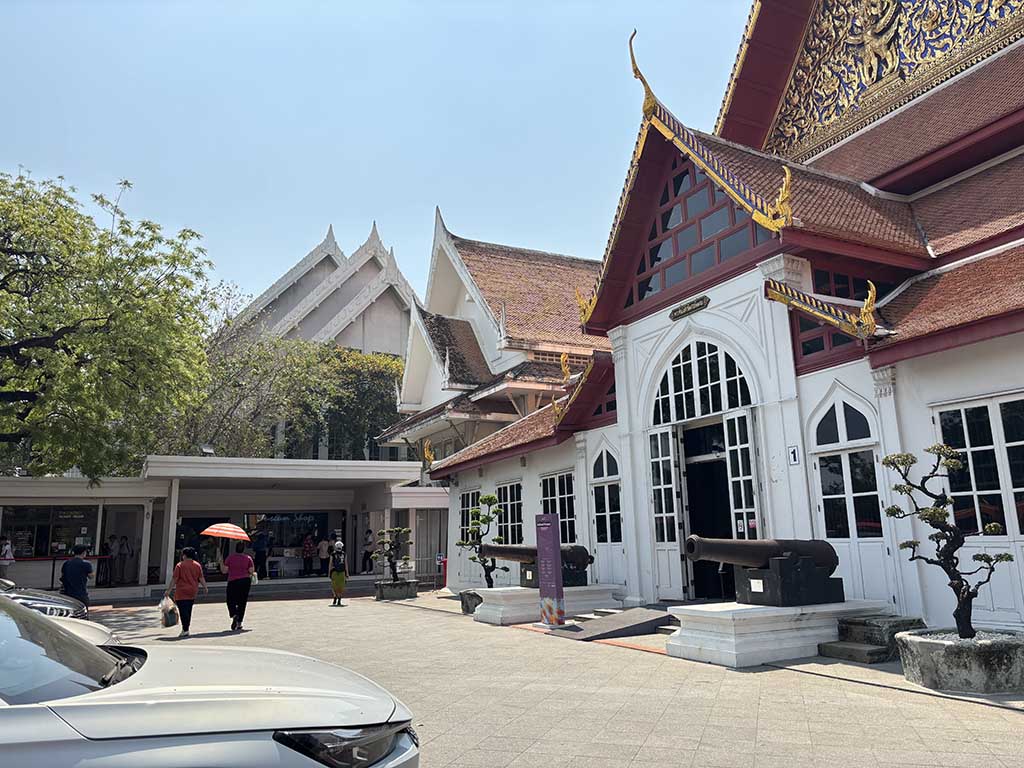
Rest Your Feet at Puff and Pie and Shop at Museum Shop
Any interesting items you want to buy? Maybe you should check out at the Museum shop and see if there is any key-chain or magnet which imitates the artifact piece you like.
You can also enjoy your foot rest after a long walk inside the coffee shop which is the air conditioned shop with nice coffee and bakeries freshly baked from Thai Airways!
Opening Hours
The National Museum Phra Nakhon opens every Wednesday to Sunday from 9:00-16:00 except on public holidays. Ticketing office closed 30 minutes before the closing time.
Entrance Fee
– 30 Baht for Thai citizens.
– 200 Baht for non-Thai citizens.
How to get there?
The National Museum Phra Nakhon is located in the area of Ko Rattanakosin in which there are many interesting places nearby in a walking distance. Please read about the transportation to this area from this link