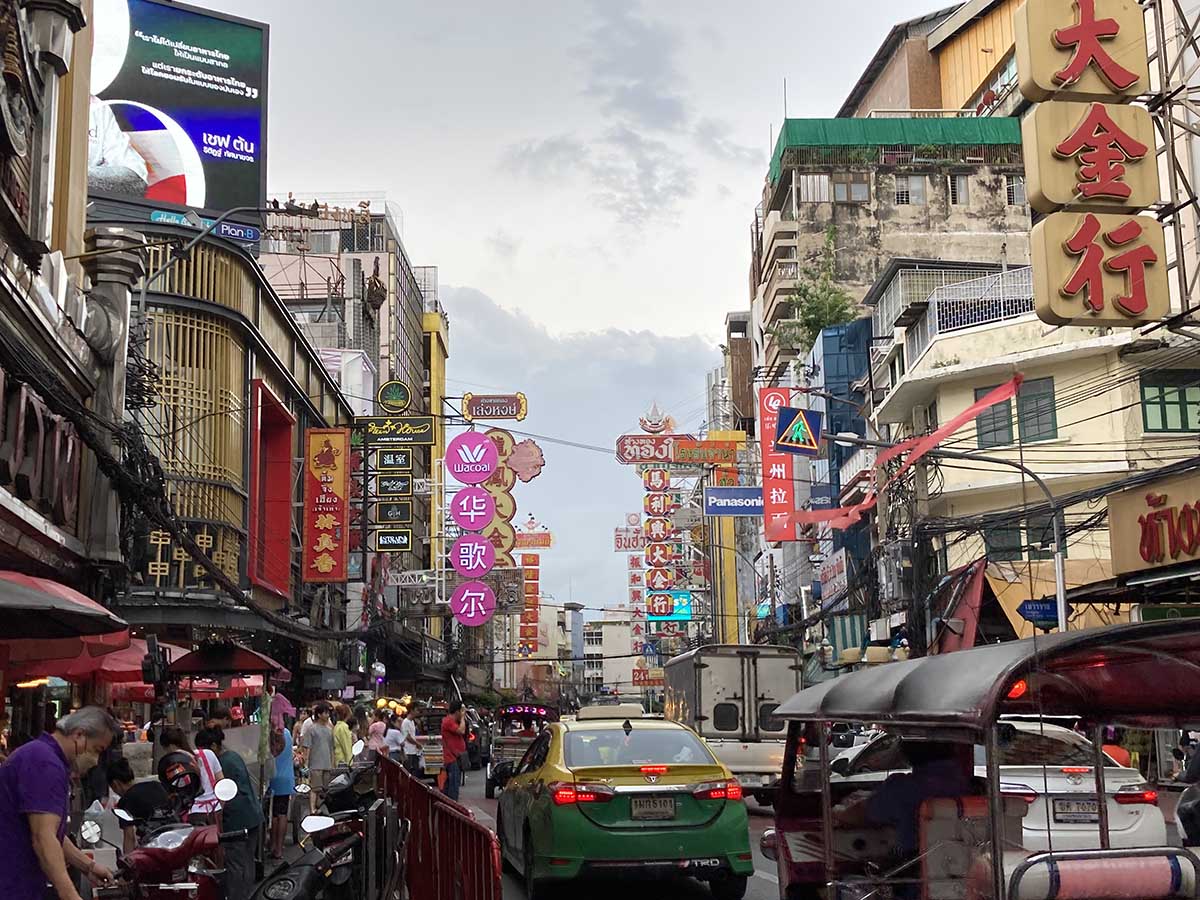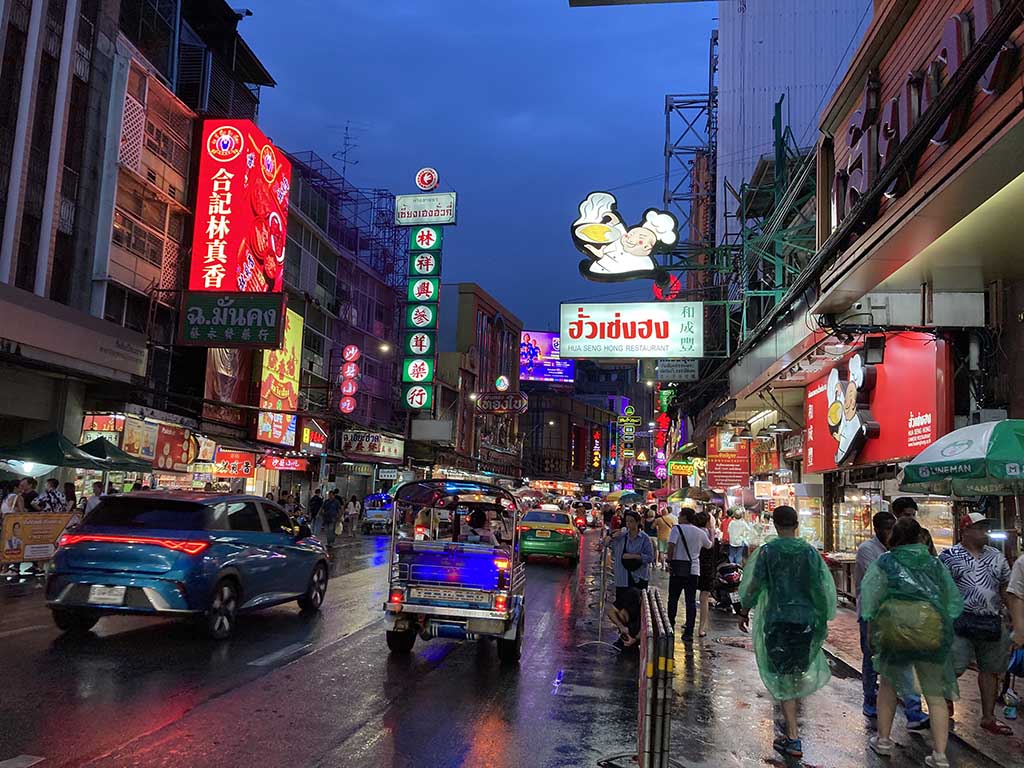
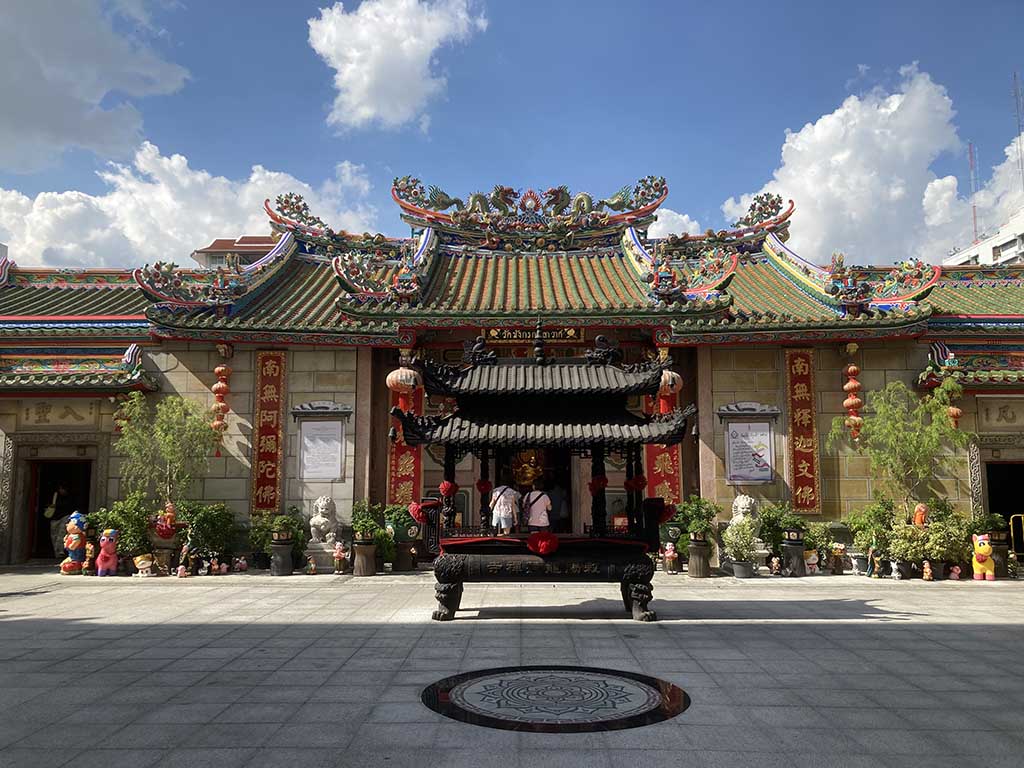
“This place is huge and looks really Chinese” This is my first impression about the temple locally called Leng Nei Yi or Wat Mangkon Kamalawat or Wat Mangkon (Dragon Temple) in short. Of course it is a Chinese temple, which is why it looks Chinese. But later I found that the reason it looks really Chinese is not only the decoration and the red walls, but also the layout of the temple which remains one of the few remaining examples of authentic Chinese architecture in Thailand.
Wat Mangkon is a very well known Chinese temple among Thais with Chinese descent. I would say it is probably the most popular place for locals to visit, especially during the Chinese lunar new year because of a “fortune cleansing” ritual. It is a unique highlight which is available only at this temple. Here is why it is so special and what you should do if you decide to perform.
Fortune Cleansing Ritual for a Misfortuned Zodiac Year (Pi Chong)
According to local beliefs, each lunar year brings challenges especially for individuals whose Chinese zodiac sign (which is represented by animals) directly opposes the zodiac animal sign of that year, as well as for those born under the same sign. These individuals are considered to be facing “Pi Chong” which is bad luck or misfortuned year. It is believed that their efforts may be met with obstacles or a lack of success throughout the year. To counter this, many seek to perform a fortune-cleansing ritual to help ensure a smoother and more prosperous year.
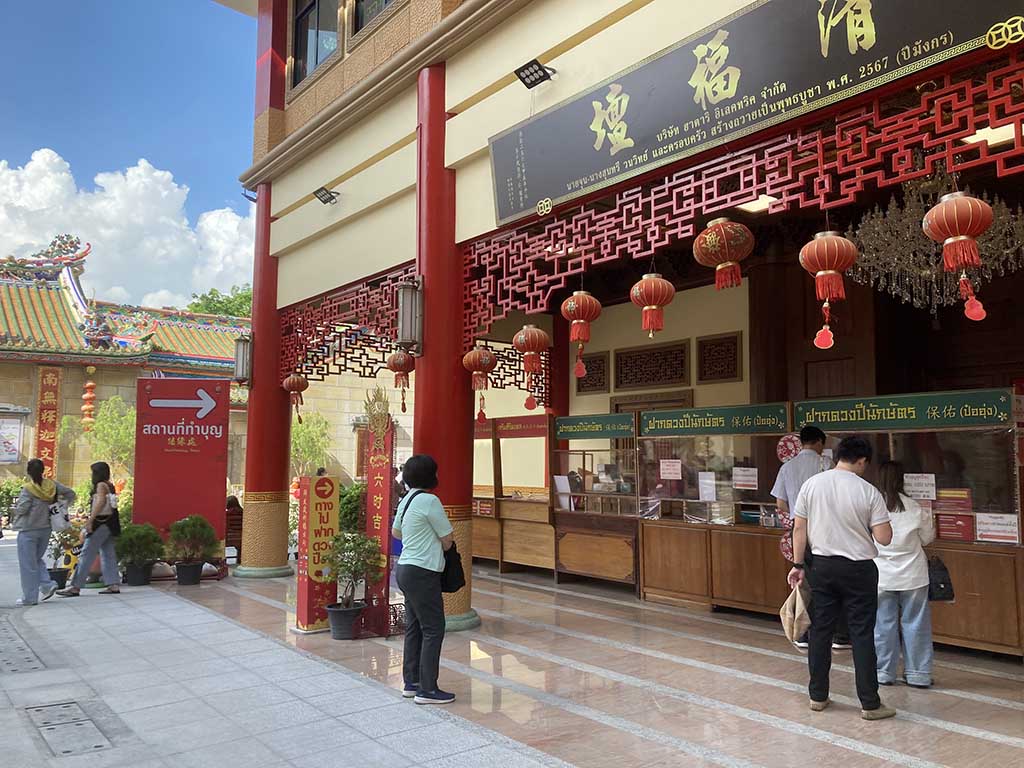
Wat Mangkon is renowned for this ritual. Many people believe that the fortune cleansing ritual here is particularly effective. I tried it myself many times, during my misfortuned zodiac year, and I can say the ritual brought me quite a smooth life in that year. Of course it is not like you do not engage with any problems at all, but for at least half the time I am able to stay composed.
The process begins by filling out a donation slip with your full birth date and time. The temple will then provide a gold foil sheet. You need to go to the ritual spot, which is on another side of the temple, pray and gently brush the gold foil sheet over the body to symbolically remove misfortune and bad luck. Return the gold foil after you brushed yourself. The gold sheet is later used in a chanting ceremony conducted by the temple’s monks, who pray and bless it for the person’s success and well-being throughout the year. You can observe the locals at that ritual spot or try it yourself. Be careful not to stand too close to the people who are performing the ritual, because the bad luck brushed out from a person can be transferred to you!
The Buddha and Complete Array of Chinese Deities
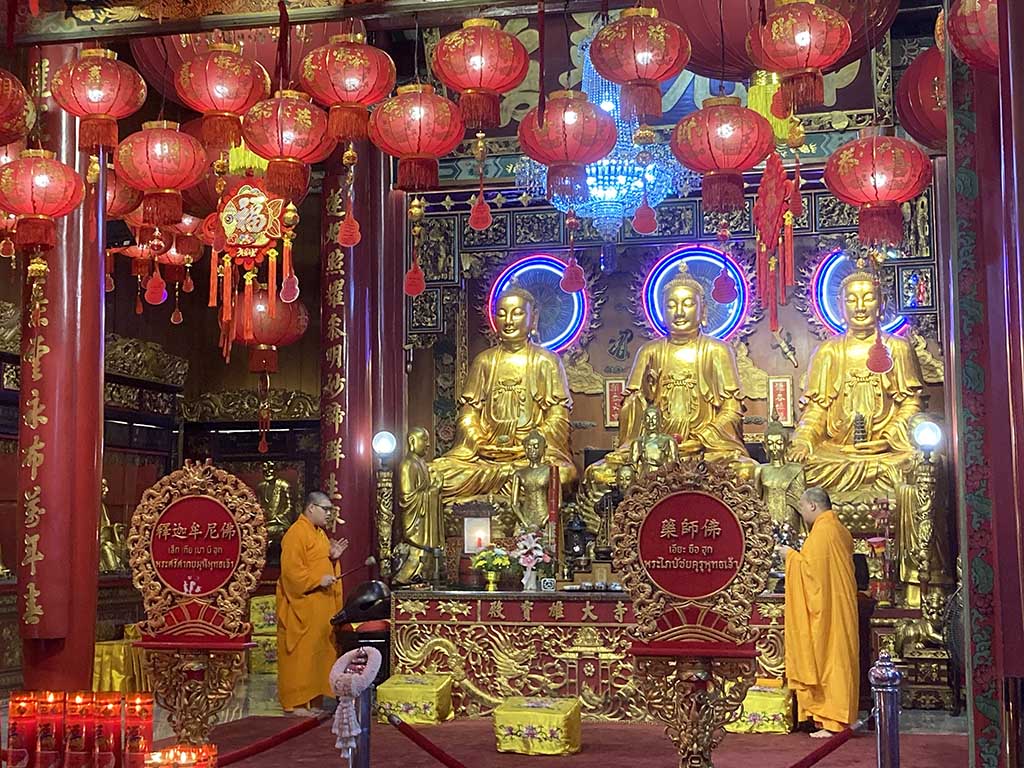
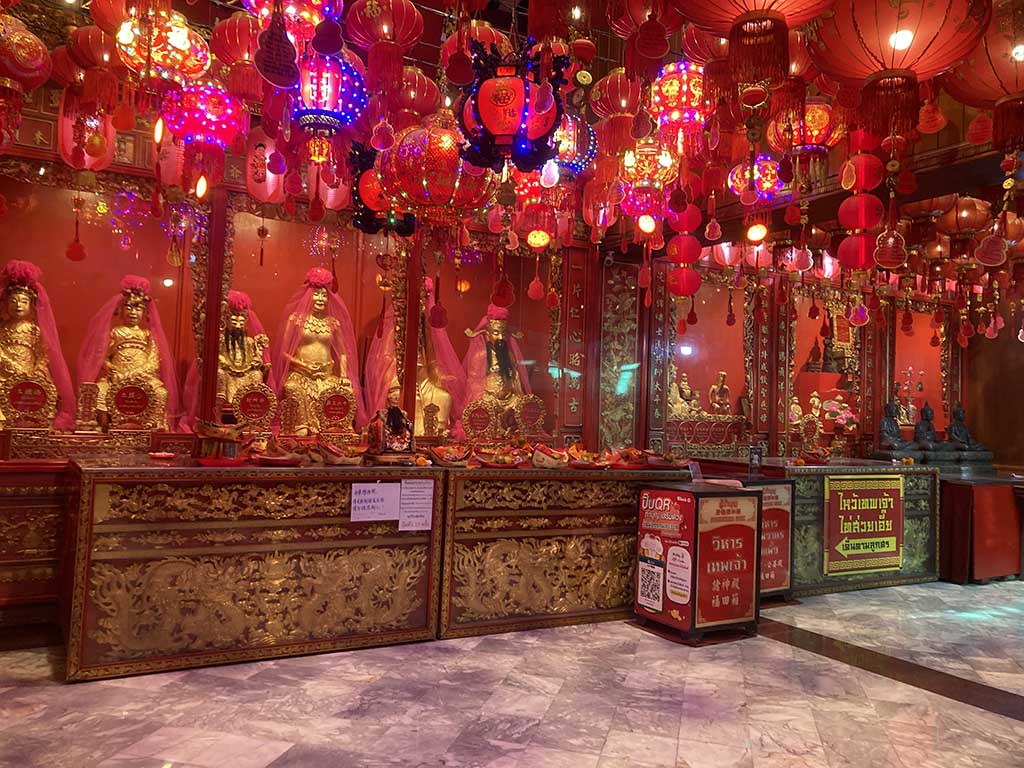
Not only the ritual, but Wat Mangkon also houses shrines of many Chinese deities and the Buddha. You can pray and worship any Chinese divine you believe in, which is considered to be a one-stop-service and very convenient for those who seek spiritual support.
At the main hall, there are three principal Buddha statues—Medicine Buddha (Bhaisajyaguru), Amitabha Buddha, and Shakyamuni Buddha. From time to time if you are lucky, you will see Chinese monks praying or performing some rituals inside as well.
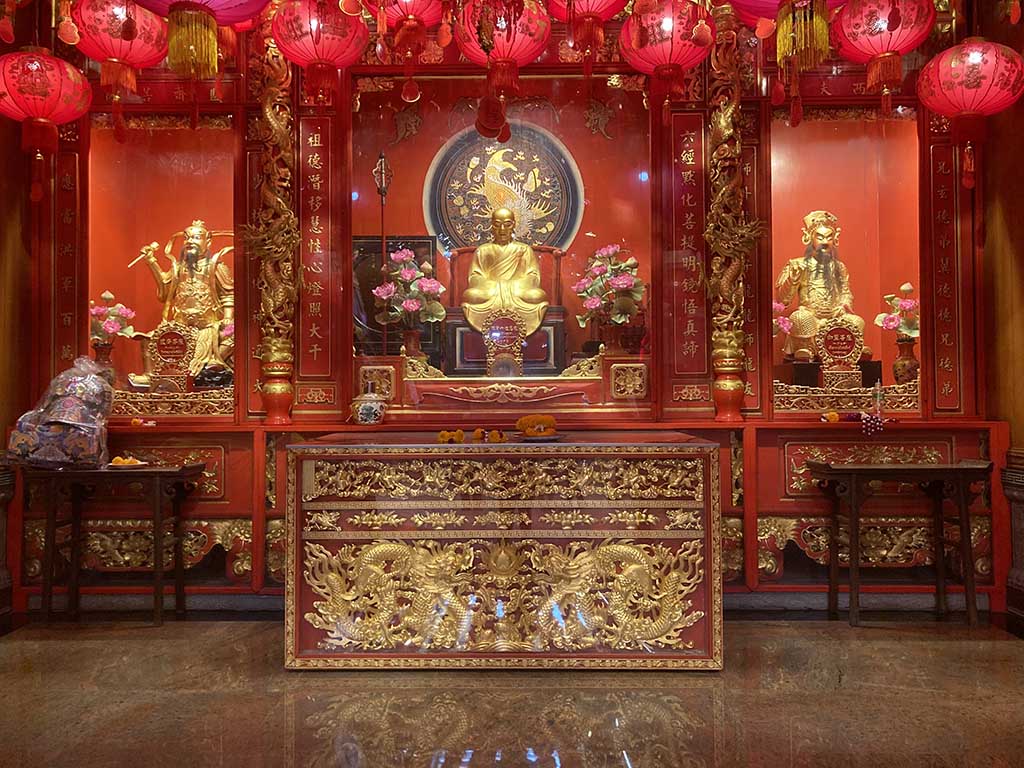
Halls around the main one are houses of numerous Chinese deities and Bodhisattvas shrines. These include Guan Yin (the Goddess of Mercy), Guan Yu (the God of Loyalty and Honor), and Cai Shen (the God of Wealth and prosperity), and many others. Feel free to pray to the Buddha and to many deities enshrined here. You may make any personal wishes or requests to the gods you believe.
Opening hours
Wat Mangkon Kamalawat is open daily.
For Monday-Friday, the temple is open from 8:00 until 16:30.
For Saturday-Sunday, the temple is open from 8:00 until 17:30.
Entrance fee
Free for everyone. Alternatively, if you simply wish to make a donation to support the temple, you may do so as a way of enhancing your luck and strengthening your destiny—bringing prosperity and progress to your life.
How to get there?
There are many interesting places nearby within walking distance. You can find more information about the transportation in this area from this link.
By MRT and walk
Get off the train at MRT Wat Mangkorn Station and use exit 3. Walk along Charoenkrung road towards the northwest (towards the right direction after you are at exit 3) for only 100 meters. The entrance of the temple will be on the right.